


How Small ISPs Can Reduce FTTH Deployment Costs in 2026
The Real Cost of Building a FTTH Network
Fiber deployment is booming. According to the Fiber Broadband Association's 2025 cost report, over 60% of U.S. households are now serviceable by fiber, with 11.8 million new homes passed in 2025 alone. But for small and regional ISPs, this growth comes with a painful reality: 92% of builders reported cost increases in 2025, and 88% expect costs to rise again in 2026.
If you're running a small ISP, you already know the math doesn't work the same way it does for the big telcos. You don't have the volume to negotiate steep equipment discounts. You don't have a team of 50 engineers. And every dollar you overspend on infrastructure is a dollar that doesn't go toward winning new subscribers.
Before looking at savings strategies, let's understand where the money actually goes. The FBA/Cartesian report breaks down fiber project costs as follows:
- Deployment (Labor + Materials): ~55% — Fiber cable, splicing, trenching, aerial installation
- Engineering: ~15% — Network design, route planning, surveys
- Make-Ready: ~14% — Pole preparation, utility coordination
- Permitting: ~10% — Local government approvals, right-of-way
- Other: ~6% — Testing, commissioning, misc.
Median deployment costs in 2025 reached $18/ft for underground and $8/ft for aerial — and they're still climbing. While construction costs dominate, there's a hidden layer that hits small ISPs disproportionately: active equipment, particularly the OLT (Optical Line Terminal) that sits at the head of your PON network.
Where Small ISPs Lose Money on Equipment
Here's a scenario every regional ISP owner will recognize: You're building a fiber network for a 200-home subdivision. You need maybe 2-3 PON ports. But when you look at OLT options from major vendors:
- Minimum purchase is a 4-port or 8-port OLT chassis — even though you only need 2 ports today
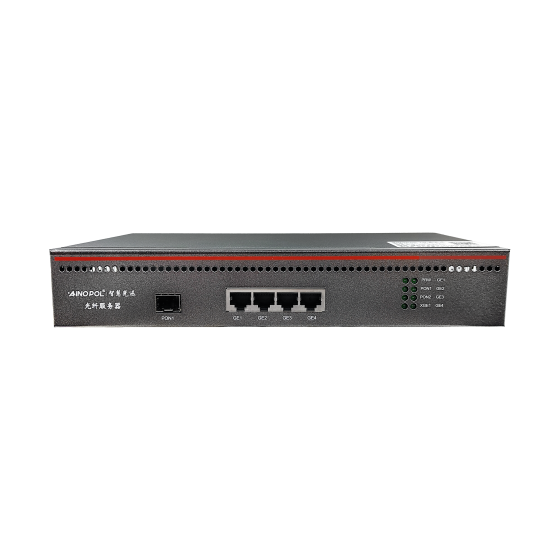
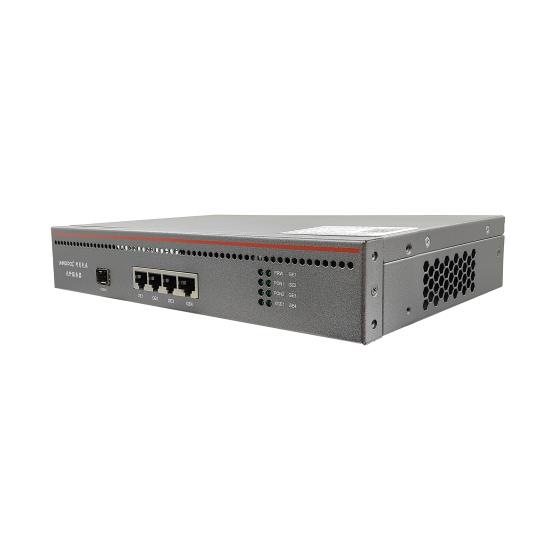
- A basic 4-port GPON OLT costs $500-$1,500 from budget brands, and $2,000-$5,000+ from mainstream vendors
- You're paying for idle ports that won't be used for 2-3 years, tying up capital
- Vendor lock-in forces you to buy the same brand's ONUs, splitters, and management software
- Dedicated rack space, power, and cooling add ongoing OPEX
The core problem: Traditional OLT procurement is designed for large-scale deployments. For a small ISP serving 500-2,000 subscribers, buying a full chassis when you need one port is like buying a 747 to fly 10 passengers.
5 Strategies to Reduce FTTH CAPEX in 2026
01. Choose Modular OLT Over Chassis-Based OLT
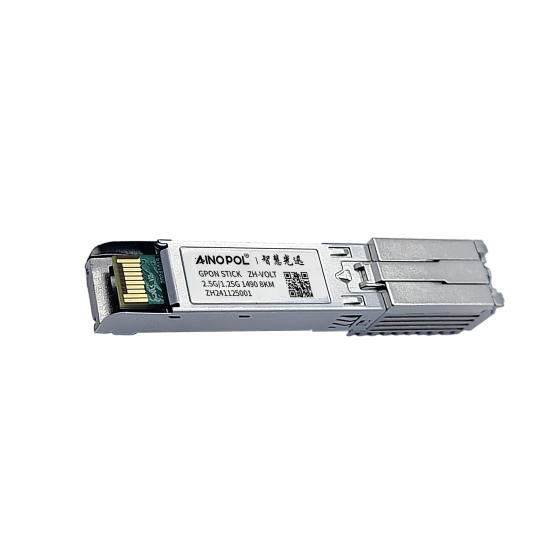
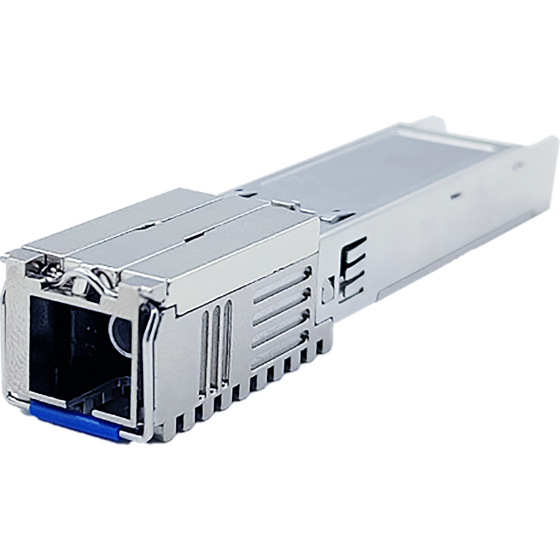
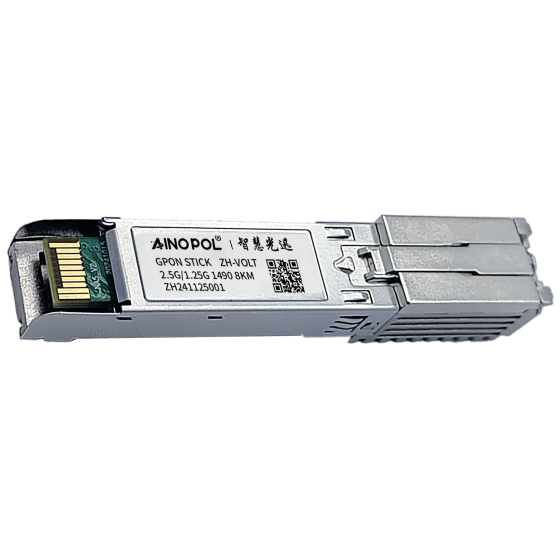
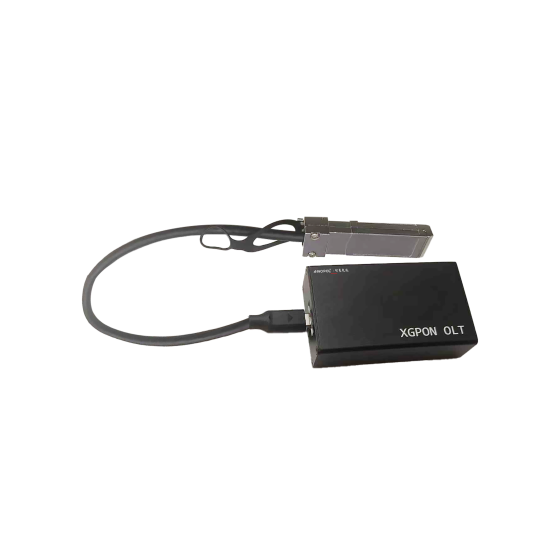
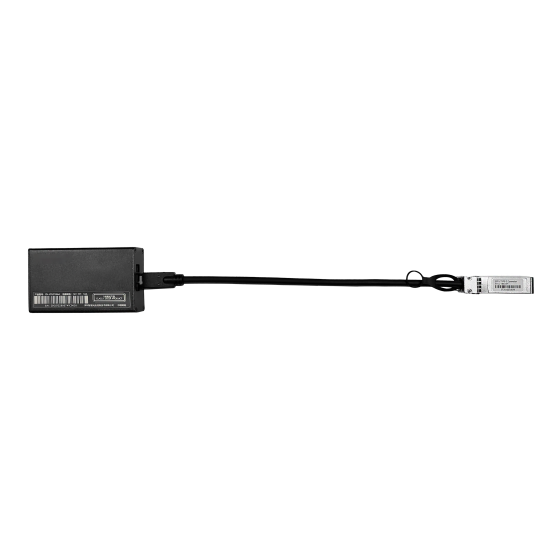
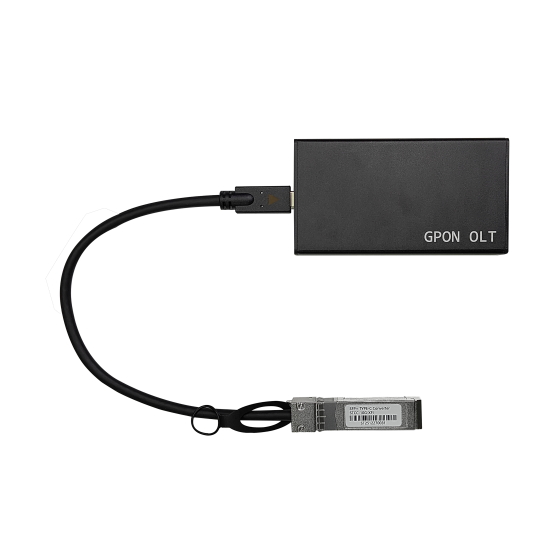
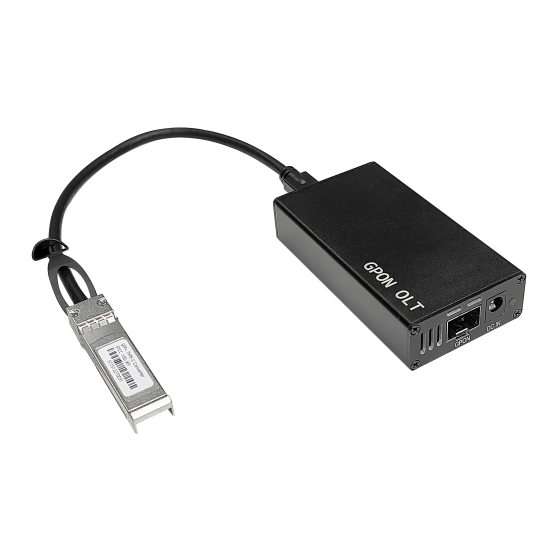
This is the single biggest CAPEX lever for small ISPs. A modular vOLT (virtual OLT) integrates the full PON MAC layer, PHY layer, DBA scheduling, and OMCI management into a standard SFP/SFP+ module. You simply plug it into any commercial off-the-shelf switch with an SFP port — no dedicated OLT chassis required. A single modular OLT module costs a fraction of a traditional 4-port OLT, and you buy exactly the number of ports you need.
02. Use Standard Ethernet Switches Instead of Proprietary Hardware
Traditional OLTs lock you into a vendor's proprietary switching fabric. Modular vOLT architecture decouples the PON domain from the switching domain, so you can use any standard Ethernet switch as the host device. This means you can shop the competitive Ethernet switch market — where prices are a fraction of proprietary telecom gear.
03. Start Small and Scale Per-Port
Instead of buying capacity for 5 years out, deploy one PON port at a time. When subscriber demand grows, add another vOLT module to an open SFP slot. This pay-as-you-grow model dramatically improves cash flow and ROI timing.
04. Choose ONUs Based on Price, Not Vendor Mandate
Many traditional OLT vendors require you to use their branded ONUs — at a significant markup. A modular OLT with a standards-based OMCI protocol stack is compatible with over 95% of mainstream HGU ONUs on the market. This lets you source ONUs from the most cost-effective supplier, cutting per-subscriber CPE costs by 30-50%.
05. Simplify Deployment to Cut Labor Costs
With labor accounting for 64-72% of deployment costs, anything that speeds up installation directly saves money. Look for equipment that supports plug-and-play ONU registration, cloud-based zero-touch provisioning, and remote configuration — so your technicians spend less time on-site and more time connecting subscribers.
Cost Comparison: Traditional OLT vs. Modular vOLT
To quantify the difference, consider a 500-subscriber FTTH deployment scenario. A regional ISP needs approximately 8 PON ports at 1:64 split ratio:
- Traditional OLT approach: 1x 8-port OLT chassis, costing $2,000-$5,000
- Modular vOLT approach: 8x vOLT modules ($400-$1,200) + 1x 24-port switch ($200-$400), totaling $600-$1,600
- Total savings: 60-80% on active equipment alone
And that's just the OLT. The vOLT approach also lets you buy ONUs from any compatible vendor (95%+ of mainstream HGU ONUs work out of the box), potentially saving another 30-50% on CPE costs.
How AINOPOL ZH-VOLT Reduces FTTH Costs for Small ISPs
AINOPOL's ZH-VOLT series is the world's first pluggable modular OLT, designed specifically to help small and medium ISPs deploy FTTH networks at a fraction of traditional costs. The product line includes:
- ZH-VOLT16 — GPON module supporting 16 ONUs, standard SFP package, ≤2.5W power consumption
- ZH-VOLT32 — GPON module supporting 32 ONUs, standard SFP package, ≤2.5W power consumption
- ZH-VOLTXG64 — XG-PON module supporting 64 10G ONUs, SFP+ package, ≤5W power consumption
Key advantages: Plug into any standard switch — no proprietary chassis, no vendor lock-in. Built-in OMCI protocol stack delivers 95%+ compatibility with mainstream HGU ONUs. Cloud-based EAAS management platform with zero-touch provisioning. Per-port scaling: buy one module today, add more as you grow.
The Bottom Line
For small ISPs in 2026, the path to profitable FTTH isn't about building bigger networks — it's about building smarter ones. Every dollar saved on unnecessary chassis, idle ports, and proprietary lock-in is a dollar that can go toward extending your fiber reach or improving subscriber service.
Modular vOLT architecture represents a fundamental shift: from the "buy big, pay big" model of traditional telecom equipment to a "pay-as-you-grow" model that aligns with how small ISPs actually build networks. If you're planning a FTTH deployment in 2026, this is the single most impactful cost-reduction strategy available.
Contact Us
Want to cut your FTTH deployment costs? Reach out for a free consultation and personalized cost analysis:
- Email: zhenghui.xu@sczhgx.com
- WhatsApp: +86 17612849559