


GPON vs XG-PON: Which PON Technology Should ISPs Choose in 2026?
Quick Comparison: GPON vs XG-PON vs XGS-PON
If you're planning a FTTH network in 2026, one of the first decisions you'll face is which PON technology to deploy. It's not a trivial choice — it determines your maximum speeds, your equipment costs, your ONU selection, and your upgrade path for the next decade. The good news? You don't necessarily have to pick just one. Modern PON technologies are designed to coexist on the same fiber infrastructure.
Here's how the three main PON standards compare:
- GPON (ITU-T G.984): 2.5 Gbps downstream / 1.25 Gbps upstream, asymmetric. Downstream wavelength 1490 nm, upstream 1310 nm. Max split ratio 1:64 (up to 1:128). Max distance 20 km. Typical ONU cost: $15-$30.
- XG-PON (ITU-T G.987): 10 Gbps downstream / 2.5 Gbps upstream, asymmetric. Downstream wavelength 1577 nm, upstream 1270 nm. Max split ratio 1:64 (up to 1:128). Max distance 20 km. Typical ONU cost: $40-$70.
- XGS-PON (ITU-T G.9807.1): 10 Gbps downstream / 10 Gbps upstream, symmetric. Downstream wavelength 1577 nm, upstream 1270 nm. Max split ratio 1:64 (up to 1:128). Max distance 20 km. Typical ONU cost: $70-$110.
Key insight: All three technologies use different wavelength windows, which means they can coexist on the same fiber using a passive WDM coexistence element. This is the foundation of smooth, phased migration.
GPON: The Cost-Effective Workhorse
GPON (Gigabit Passive Optical Network) is the most widely deployed PON standard globally. It's been the backbone of residential FTTH for over a decade.
Strengths: Lowest equipment cost — mature supply chain means GPON ONUs are available for $15-$30, and OLT ports are inexpensive. Proven stability with billions of endpoints deployed worldwide. With 2.5G shared across 64 users, each subscriber gets 30-50 Mbps average — enough for streaming, browsing, and video calls.
Limitations: Shared bandwidth bottleneck — 2.5 Gbps downstream shared across up to 64 users means peak-hour congestion as take rates increase. Asymmetric upstream of only 1.25 Gbps is a growing problem as cloud backups and remote work increase upstream traffic. Cannot deliver gigabit symmetric service, which is becoming the new residential standard.
Best for: Cost-sensitive residential deployment. If your subscribers need 100-500 Mbps plans and your market is price-competitive, GPON delivers the lowest cost per subscriber.
XG-PON: The Transitional Upgrade
XG-PON (10-Gigabit Passive Optical Network) quadruples downstream capacity to 10 Gbps while doubling upstream to 2.5 Gbps. It was designed as an upgrade path from GPON, using a different wavelength (1577 nm downstream vs. GPON's 1490 nm) so both can run on the same fiber.
Strengths: 4x downstream capacity — 10 Gbps shared across 64 users gives each subscriber 150+ Mbps average. Coexists with GPON — deploy XG-PON for premium subscribers while keeping GPON for basic plans on the same ODN. Lower ONU cost than XGS-PON, as asymmetric optics are simpler and cheaper to manufacture.
Limitations: Still asymmetric — 2.5 Gbps upstream is better than GPON but still a bottleneck for upstream-heavy applications. Many operators skip XG-PON and go directly to XGS-PON for future-proofing.
Best for: GPON networks needing capacity relief. If your GPON network is getting congested but you don't need symmetric 10G yet, XG-PON is a cost-effective capacity boost on your existing fiber.
XGS-PON: The Future-Proof Choice
XGS-PON (10-Gigabit Symmetric Passive Optical Network) delivers 10 Gbps in both directions. It's rapidly becoming the preferred choice for new deployments and network upgrades.
Strengths: Symmetric 10G — ideal for cloud services, remote work, content creation, and enterprise applications. Supports 5G fronthaul, enterprise symmetric services, and high-density urban deployments. Coexists with GPON and XG-PON via WDM.
Limitations: Higher ONU cost — symmetric optics cost $70-$110 per ONU, though prices are falling. May be overkill for basic residential if subscribers only need 100 Mbps plans.
Best for: New builds, enterprise, and future-proof networks. If you're building greenfield, XGS-PON gives you a 10-year technology runway.
The Coexistence Advantage: You Don't Have to Choose Just One
Here's what many ISP owners don't realize: you can run GPON, XG-PON, and XGS-PON simultaneously on the same fiber. Because each technology uses a different wavelength window, a passive WDM coexistence element (CE) at the OLT side combines the signals onto one fiber, and each ONU only responds to its designated wavelength.
Practical migration strategy:
- Start with GPON for basic residential subscribers (lowest CPE cost)
- Add XG-PON or XGS-PON for premium and business subscribers (higher capacity)
- Gradually migrate GPON subscribers to 10G as their plans upgrade
- No fiber re-routing, no ODN rebuild — just swap OLT modules and ONUs
Decision Framework: Which PON Should You Choose?
- New ISP, tight budget, residential-only → GPON. Lowest CAPEX, adequate speeds for entry-level plans.
- Growing ISP, GPON network getting congested → XG-PON. 4x downstream capacity on existing fiber.
- New build, want 10-year future-proofing → XGS-PON. Symmetric 10G, supports all future use cases.
- Mixed residential + business subscribers → GPON + XGS-PON. GPON for homes, XGS-PON for enterprise — same fiber.
- 5G fronthaul or mobile backhaul → XGS-PON. Low latency, symmetric bandwidth, timing sync support.
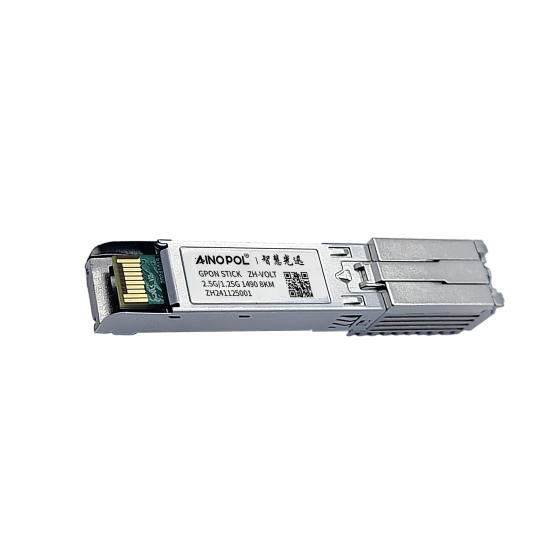
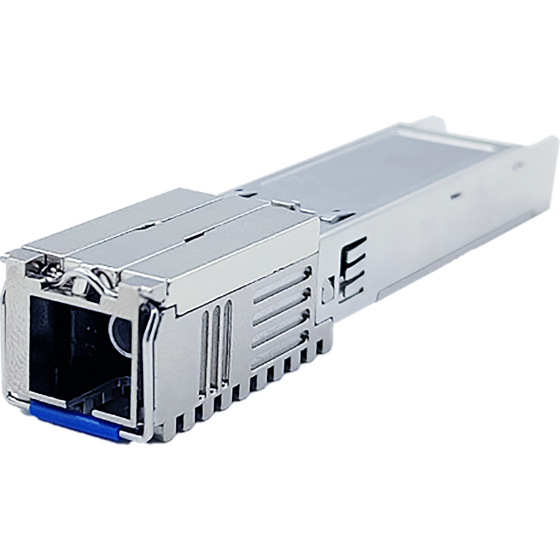
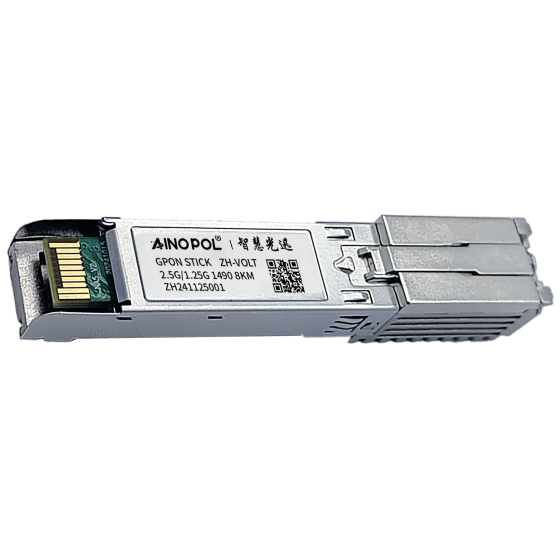
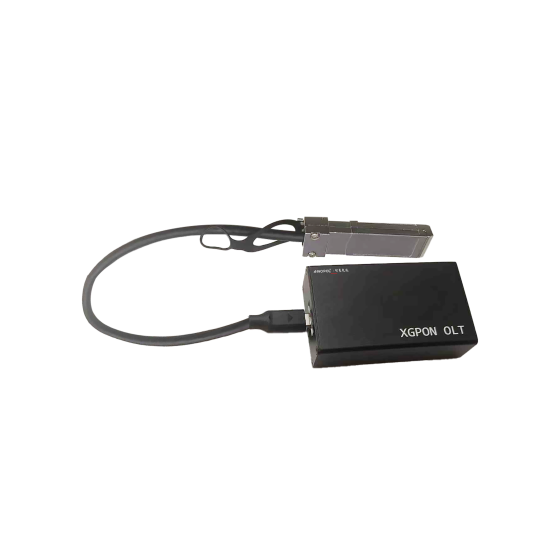
AINOPOL ZH-VOLT: One Module Platform, Two PON Technologies
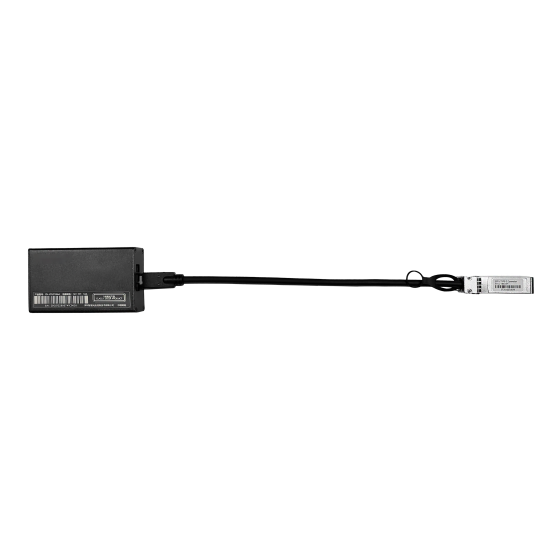
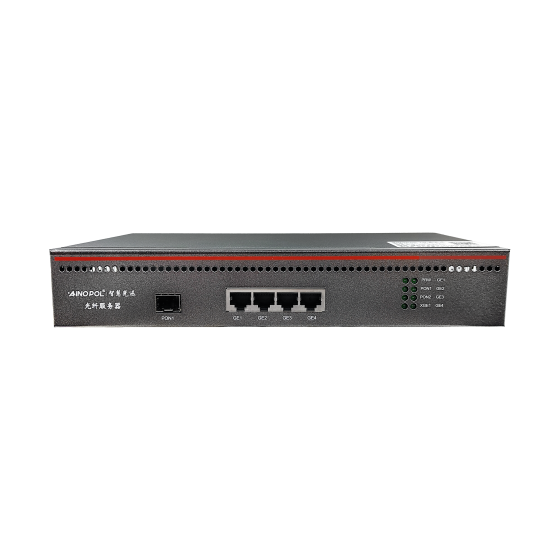
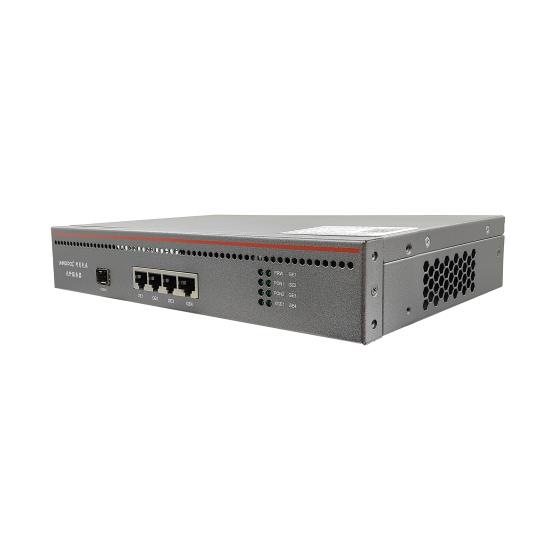
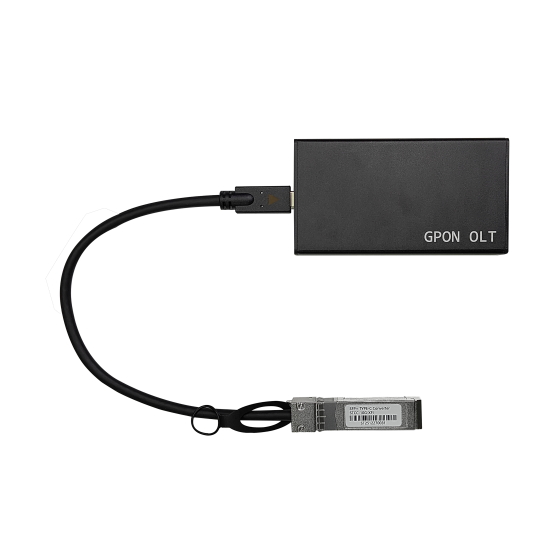
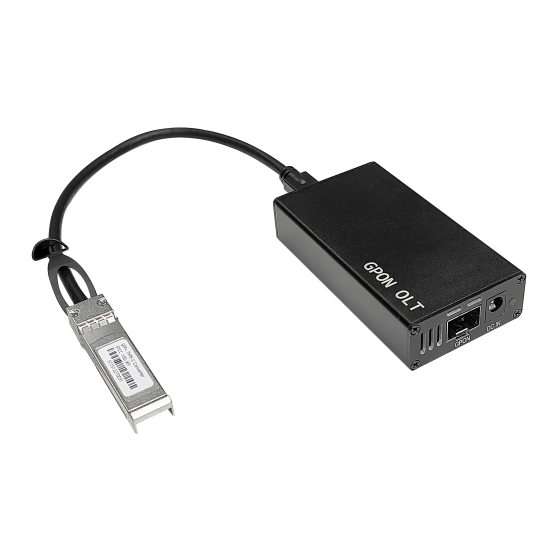
AINOPOL's modular vOLT series supports both GPON and XG-PON, so you can choose the right technology per port — not per chassis:
- ZH-VOLT16 / ZH-VOLT32 — GPON modules (2.5G/1.25G), supporting 16 or 32 ONUs per port
- ZH-VOLTXG64 — XG-PON module (10G/2.5G), supporting up to 64 ONUs per port
- Standard SFP/SFP+ form factor — plug into any commercial switch
- Built-in OMCI protocol — 95%+ compatibility with mainstream ONUs across all PON types
- Mix GPON and XG-PON modules on the same switch for flexible, per-port technology selection
- Cloud-based EAAS management — unified monitoring across all PON types
Common Mistakes When Choosing PON Technology
- Choosing based on speed alone. "We need 10G, so let's deploy XGS-PON" — without considering optical budget, fiber conditions, or whether subscribers actually need symmetric 10G.
- Ignoring ONU compatibility. Not all ONUs work with all OLTs. Always test interoperability before bulk deployment.
- Over-building for hypothetical demand. Deploying XGS-PON everywhere when 80% of subscribers are on 100 Mbps plans. Start with GPON, add 10G where demand exists.
- Forgetting the upgrade path. Choose equipment that supports coexistence, so you can add faster PON technologies later without rebuilding the ODN.
The Bottom Line
There's no single "best" PON technology — there's only the best choice for your specific market, budget, and subscriber profile. The key is flexibility: choose equipment that lets you mix technologies on the same fiber, scale per-port instead of per-chassis, and avoid vendor lock-in.
For most small and regional ISPs starting in 2026, the smartest approach is: start with GPON where cost matters most, add XG-PON or XGS-PON where capacity demands it, and use modular equipment that lets you change course without ripping out your infrastructure.
Sources: ITU-T G.984/G.987/G.9807.1 standards; Fiber Broadband Association;
Contact Us
Not sure which PON technology is right for your network? Reach out for a free consultation and technical guidance:
- Email: zhenghui.xu@sczhgx.com
- WhatsApp: +86 17612849559