


Why Small ISPs Are Moving from Traditional OLT to Modular vOLT
What Is a Modular vOLT?
Across the global ISP industry, a quiet revolution is happening in how fiber access networks are built. Small and regional ISPs — from community broadband providers in the U.S. to WISPs in Southeast Asia and municipal operators in Latin America — are ditching traditional chassis-based OLTs in favor of a new architecture: modular vOLT (virtual OLT).
This isn't a marginal improvement. It's a fundamental rethinking of how PON networks are deployed, scaled, and managed — and it's saving small ISPs 60-80% on their access equipment costs.
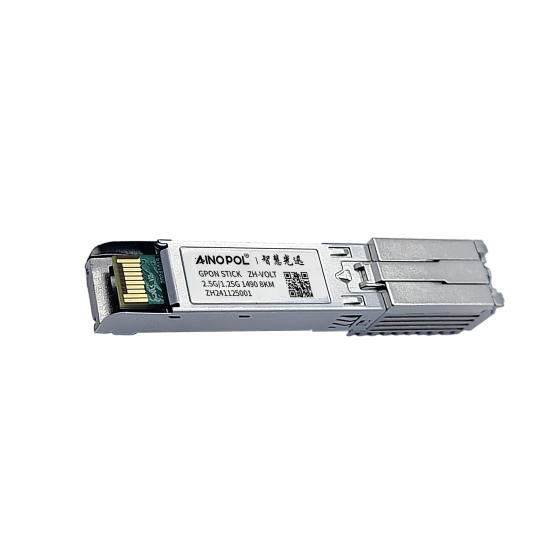
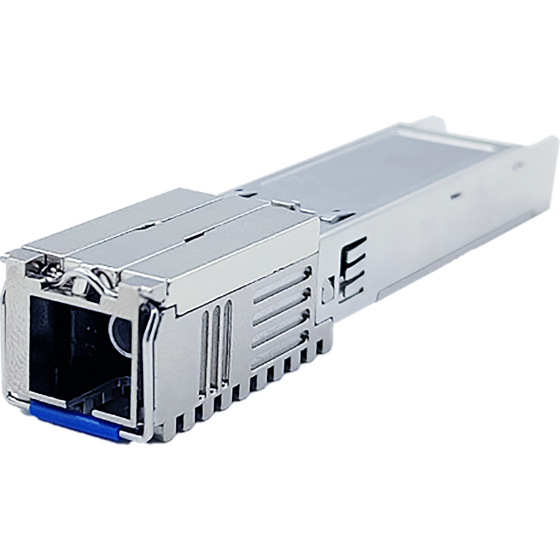
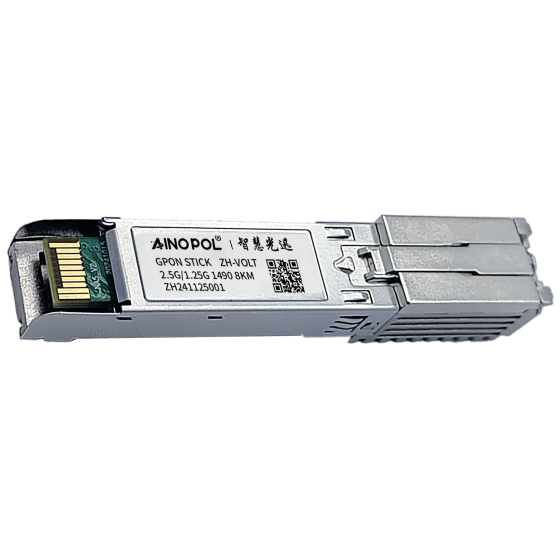
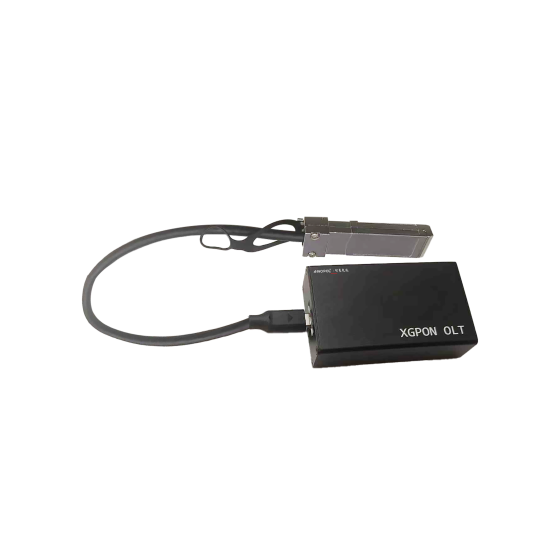
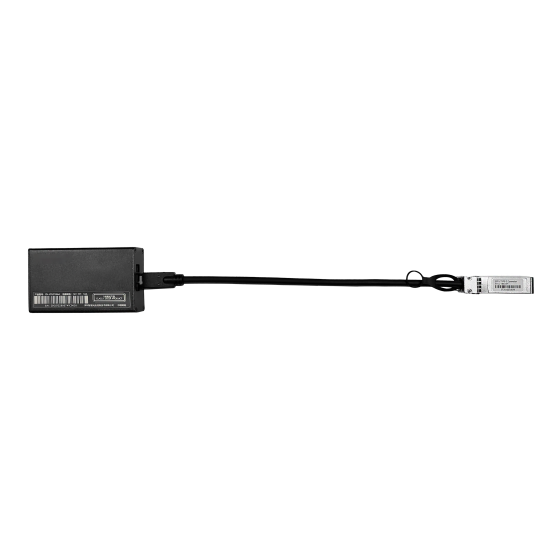
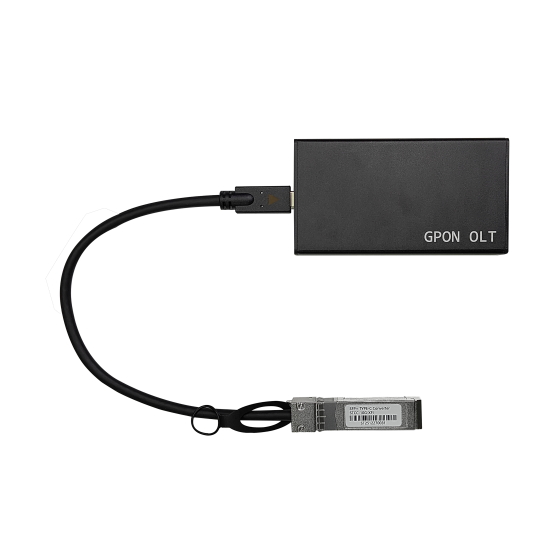
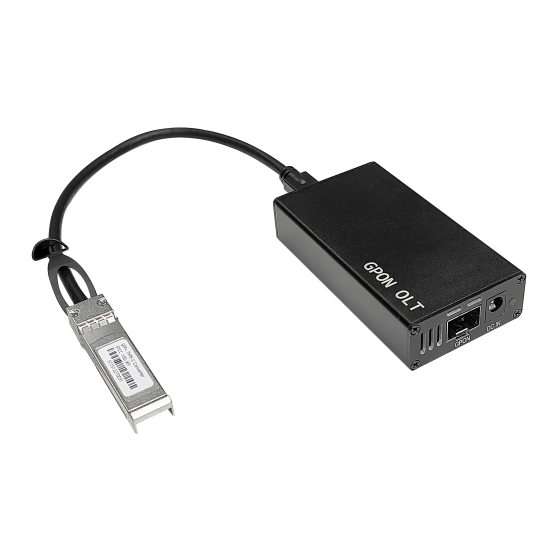
A modular vOLT is an OLT that has been shrunk from a rack-mounted chassis into a standard SFP/SFP+ optical module. It integrates all core OLT functions — PON MAC layer, PHY layer, DBA (Dynamic Bandwidth Allocation), OMCI management, and encryption — into a module the size of your thumb. You plug it into any standard Ethernet switch, router, or firewall with an SFP port, and that port instantly becomes a fully functional PON OLT port — capable of managing ONUs, allocating bandwidth, and running a complete FTTH access network.
Think of it this way: A traditional chassis OLT is like a mainframe computer — powerful, expensive, and monolithic. A modular vOLT is like the personal computer — it takes the core capability and packages it into a form factor that anyone can use, anywhere, at a fraction of the cost.
The Problem with Traditional OLTs
Traditional OLTs were designed for large telecom operators deploying thousands of subscribers from a central office. For small ISPs, this design creates several structural problems:
- Forced over-provisioning. Entry-level OLTs come with 4 or 8 PON ports. If you only need 1-2 ports for your current subscriber base, you're paying for idle capacity that may not be used for years.
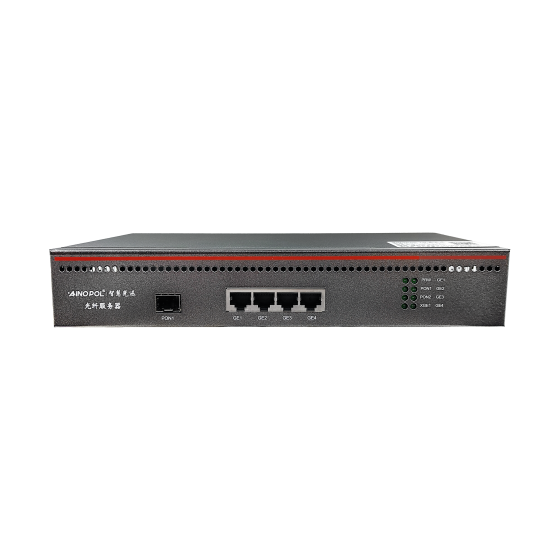
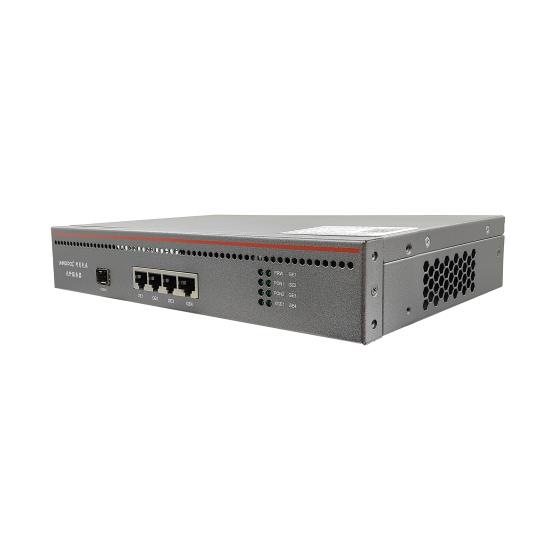
- High minimum investment. A basic 4-port GPON OLT from a budget brand costs $500-$1,500. Mainstream brands (Huawei, ZTE, Nokia) easily exceed $2,000-$5,000 per chassis — before you add line cards, optical modules, and management software.
- Proprietary lock-in. Traditional OLTs embed PON functions within a proprietary switching fabric. You're locked into the vendor's ecosystem for ONUs, management software, and future upgrades.
- Dedicated infrastructure. Each OLT chassis requires rack space (1U-4U), dedicated power, cooling, and sometimes a management server — adding OPEX that scales with every site.
- Complex deployment. Traditional OLTs require trained technicians for initial configuration, ONU registration, and ongoing management — a challenge for ISPs with small technical teams.
How Modular vOLT Solves These Problems
- Per-port scaling — buy what you need. Each vOLT module corresponds to one PON port. Need one port today? Buy one module. Subscriber growth requires a second port? Plug in another module. No idle ports, no wasted investment.
- 80% lower per-port cost. A single vOLT module costs a fraction of a traditional OLT chassis — and you don't need to buy a dedicated chassis at all. You use switches you already have.
- Zero vendor lock-in. The vOLT decouples PON functions from the switching domain. Use any standard Ethernet switch as the host. Mix and match switches, routers, and firewalls from any vendor.
- No dedicated infrastructure. The vOLT module draws power from the host switch's SFP slot (≤2.5W for GPON, ≤5W for XG-PON). No additional rack space, no extra power circuits, no cooling requirements.
- Plug-and-play deployment. Insert the module, and the port automatically initializes as an OLT. ONUs auto-register via standard OMCI protocol. Cloud-based management handles configuration remotely — no on-site technician needed for routine adds.
Side-by-Side: Traditional OLT vs. Modular vOLT
- Form factor: Rack-mount chassis (1U-4U) vs. SFP/SFP+ module (thumb-sized)
- Minimum ports: 4 ports (fixed) vs. 1 port (per module)
- Cost per PON port: $125-$1,250+ (chassis amortized) vs. $50-$150 per module
- Host equipment: Proprietary chassis required vs. any standard SFP switch
- Scaling model: Buy chassis, add line cards vs. insert modules one at a time
- ONU compatibility: Same-brand typically required vs. 95%+ mainstream ONUs (OMCI)
- Power consumption: 50-200W per chassis vs. 2.5-5W per module (from host)
- Deployment time: Days (configuration + testing) vs. minutes (plug and auto-register)
Real-World Deployment: 500-Subscriber FTTH Network
Let's look at a concrete scenario. A regional ISP is building a FTTH network for a 500-home area. Here's how the two approaches compare:
- PON ports needed: 8 (at 1:64 split, ~500 users) — same for both approaches
- Traditional OLT approach: 1x 8-port OLT chassis, costing $2,000-$5,000
- Modular vOLT approach: 8x vOLT modules ($400-$1,200) + 1x 24-port switch ($200-$400), totaling $600-$1,600
- Total active equipment savings: 60-80%
And that's just the OLT. The vOLT approach also lets you buy ONUs from any compatible vendor (95%+ of mainstream HGU ONUs work out of the box), potentially saving another 30-50% on CPE costs.
When to Choose Modular vOLT — and When Not To
Choose vOLT if:
- You're a small or regional ISP with 50-2,000 subscribers per site
- You need to deploy multiple small POPs across a wide geographic area
- You want to minimize upfront CAPEX and scale per-port as demand grows
- You already have standard Ethernet switches in your network
- You want freedom to choose ONU suppliers independently
- You have a small technical team and need plug-and-play simplicity
Consider traditional chassis OLT if:
- You're deploying 2,000+ subscribers from a single central office
- You need carrier-grade redundancy (1+1 hot-standby, dual PSU)
- You require advanced features like 99.999% availability SLAs
- You have a large NOC team that relies on dedicated EMS/NMS systems
AINOPOL ZH-VOLT Series: Modular OLT Built for Growing ISPs
The world's first pluggable modular OLT — designed to make FTTH deployment faster, simpler, and dramatically more affordable for small and medium ISPs. The product line includes:
- ZH-VOLT16 — GPON module, 16 ONUs, SFP package, ≤2.5W
- ZH-VOLT32 — GPON module, 32 ONUs, SFP package, ≤2.5W
- ZH-VOLT64 — GPON module, 64 ONUs, SFP package, ≤2.5W
- ZH-VOLTXG64 — XG-PON module, 64 ONUs, SFP+ package, ≤5W
- EAAS Cloud Platform — Zero-touch provisioning and remote management
Key features: Plug into any standard switch with SFP/SFP+ interface. 95%+ ONU compatibility with built-in OMCI protocol stack — works with mainstream HGU ONUs from Huawei, ZTE, FiberHome, V-SOL, and more. Per-port scaling: start with 1 module, add more as you grow. Cloud management via EAAS platform for unified monitoring, auto-provisioning, and remote firmware management. Wide temperature range: -10°C to 80°C (GPON) — suitable for outdoor cabinets. 3-year warranty with enterprise-grade reliability.
Getting Started: Deployment in 4 Steps
- Assess your switch. Check that your existing switch has available SFP ports (1G/2.5G for GPON, 10G SFP+ for XG-PON). Most enterprise-grade switches from Cisco, MikroTik, Ubiquiti, TP-Link, and others are compatible.
- Select the right module. Choose ZH-VOLT16/32/64 for GPON (up to 64 ONUs per port) or ZH-VOLTXG64 for XG-PON (up to 64 10G ONUs per port). Match to your subscriber density and speed requirements.
- Plug and configure. Insert the vOLT module into the switch SFP port. Connect to the EAAS cloud platform for zero-touch provisioning of VLANs, SSIDs, and security policies.
- Deploy ONUs. Connect standard HGU ONUs at subscriber premises. They auto-register via OMCI — no manual configuration needed. Test with a small batch first, then scale.
The Bottom Line
The shift from traditional chassis OLT to modular vOLT is not a marginal technology upgrade — it's a business model change. For the first time, small ISPs can build PON access networks with the same per-port economics as large operators, without the overhead of proprietary chassis, vendor lock-in, or forced over-provisioning.
If you're spending $2,000+ on an OLT chassis when you only need 1-2 PON ports, you're leaving money on the table. That money could be going toward fiber route expansion, subscriber acquisition, or service improvement.
The question isn't whether modular vOLT will replace traditional OLTs for small ISPs — it's already happening. The question is whether you'll be early or late to the shift.
Related articles: How Small ISPs Can Reduce FTTH Deployment Costs in 2026 · GPON vs XG-PON: Which PON Technology Should ISPs Choose?
Contact Us
Ready to switch to modular vOLT? Reach out for a free cost comparison and deployment plan:
- Email: zhenghui.xu@sczhgx.com
- WhatsApp: +86 17612849559