5 Challenges Regional ISPs Face When Building a FTTH Network in 2026
Key takeaways: FTTH demand is at an all-time high, but regional and small ISPs face five structural hurdles in 2026 — rising fiber cost, skilled-labor shortage, permitting friction, supply-chain volatility, and equipment overspending. The first four are largely external; the fifth is fully within your control, and a modular vOLT architecture is the lever that fixes it.
FTTH Is Booming — But Not for Everyone
The numbers look spectacular. According to the Fiber Broadband Association's 2025 report, U.S. operators passed 11.8 million new homes with fiber in 2025 alone, bringing the national total to 98.3 million fiber-reachable homes — over 60% of households. But there's a catch: an estimated 60 million homes are still waiting for their first fiber connection, and most of those are in rural, hard-to-reach areas where the cost per home-passed is brutal.
For a regional or small ISP, this is the uncomfortable reality: the easy, profitable pockets are already taken by the big telcos. What's left requires more capital, more manpower, and more patience than ever before. Here are the five challenges every growing ISP is up against in 2026.
Challenge 1 — High CAPEX With Low ARPU
The single biggest barrier is the math. In low-ARPU (average revenue per user) markets, the higher capital cost per home-passed can make an FTTH business case unviable without subsidies, shared builds, or innovative financing. Industry voices across the Asia-Pacific have warned that rising fiber prices are making some rollouts "questionable" in lower-income regions.
And prices are rising for a reason you can't control: hyperscale AI and data-center builds are now competing for the same fiber, optical components, and production lines as consumer broadband. A "global cable shortage" driven by surging AI demand and geopolitical tension has materially pushed up fiber costs and squeezed availability — turning an input once treated as stable into a volatile one.
Challenge 2 — The Skilled-Labor Shortage
You can line up the capital, but can you line up the crew? Telecommunications industry employment fell roughly 29% between January 2014 and January 2024. In the U.S. alone, implementing the BEAD broadband program is estimated to require about 205,000 fiber technicians. Meanwhile, 69% of broadband operators surveyed raised supply-chain concerns, and industry veterans warn that material and specialty-vehicle shortages can stretch a single project's timeline to 18 months or longer.
In Europe, the bottleneck isn't money — it's "execution capacity." Contractors are reporting insolvencies, margin collapse, and a disappearing pool of skilled trenching (Tiefbau) teams. As one industry observer put it: "You can refinance capital. You cannot quickly refinance lost execution capacity."
Challenge 3 — Permitting, Right-of-Way and Fragmented Policy
Even with money and a crew, the red tape can stall a build for months. Industry forums from Nigeria to Europe consistently cite the same obstacles: multiple taxation, high right-of-way (RoW) charges, approval delays, inconsistent policies across states and local governments, infrastructure vandalism, and fiber cuts. Each of these adds cost and risk to an already thin-margin project, and they hit smaller operators — who lack dedicated regulatory teams — hardest.
Challenge 4 — Supply-Chain Volatility
The pandemic-era lesson that "supply chains can break" still echoes. Fiber shortages, geopolitical tension, and the sudden surge in demand from AI data centers mean lead times and prices for cable, optical modules, and even specialty vehicles can swing without warning. For an ISP trying to plan a multi-quarter rollout, that uncertainty makes budgeting and subscriber commitments genuinely difficult.
Challenge 5 — Equipment Overspending and Vendor Lock-In
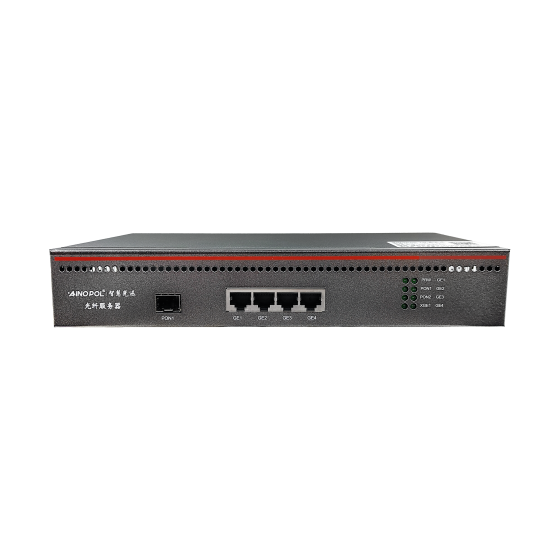
This is the challenge most regional ISP owners feel most directly. Traditional OLT (Optical Line Terminal) procurement is built for large-scale carriers: the minimum buy is often a 4-port or 8-port chassis, you pay for idle ports you won't use for years, and vendors frequently require you to buy their branded ONUs, splitters, and management software. Dedicated rack space, power, and cooling add ongoing OPEX. For an ISP serving 500–2,000 subscribers, buying a full chassis when you need one or two ports is capital sitting idle.
Where Smart Regional ISPs Are Finding Relief
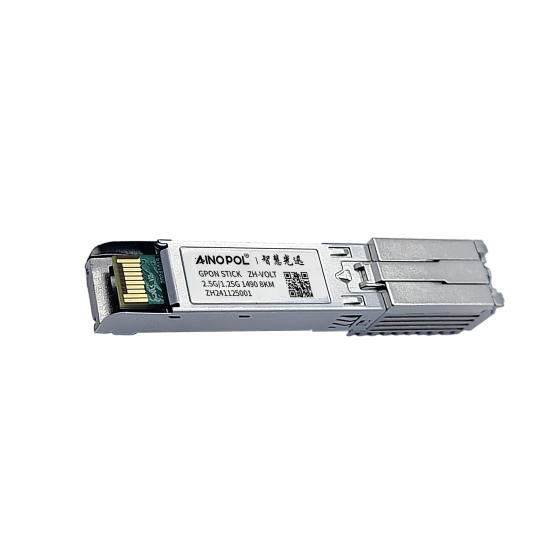
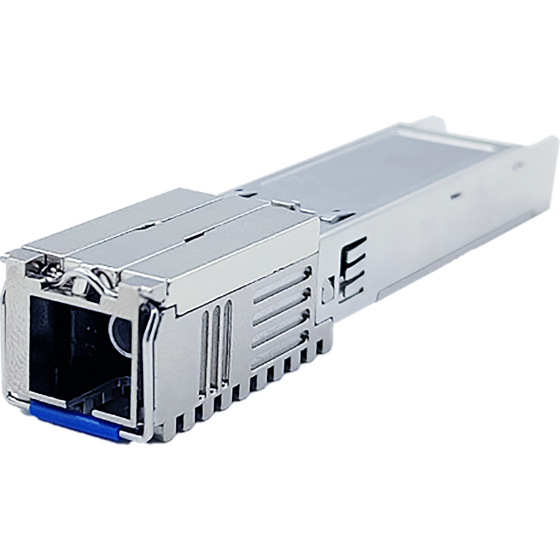
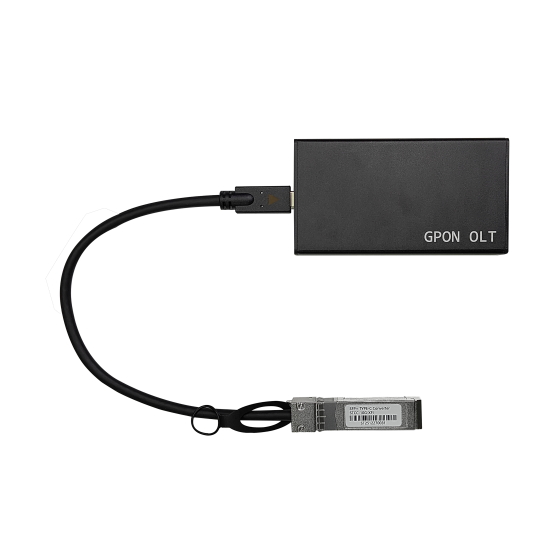
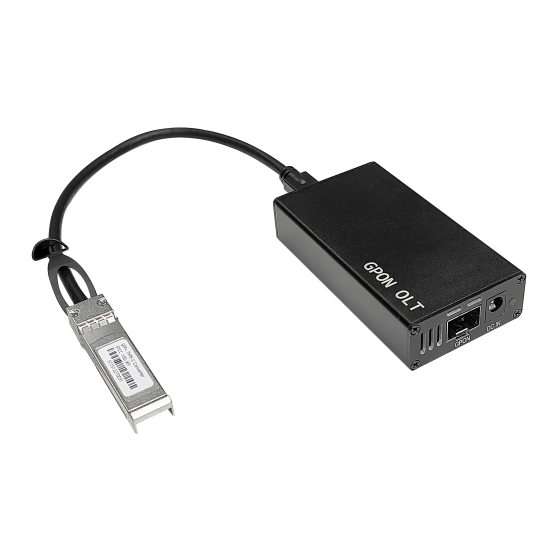
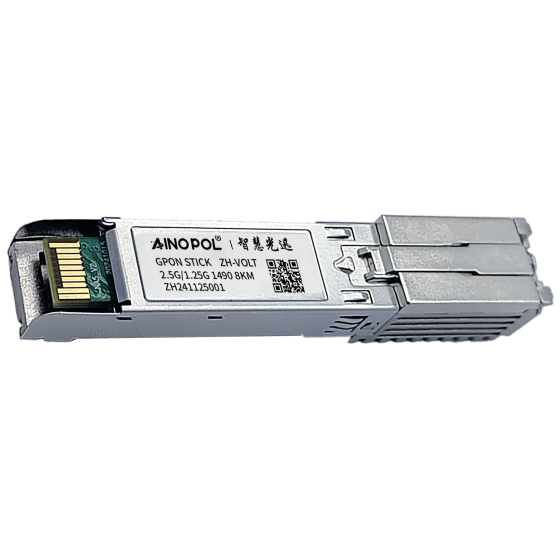
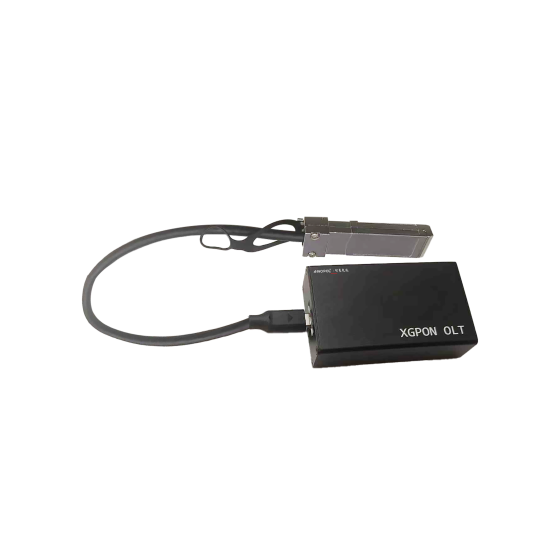
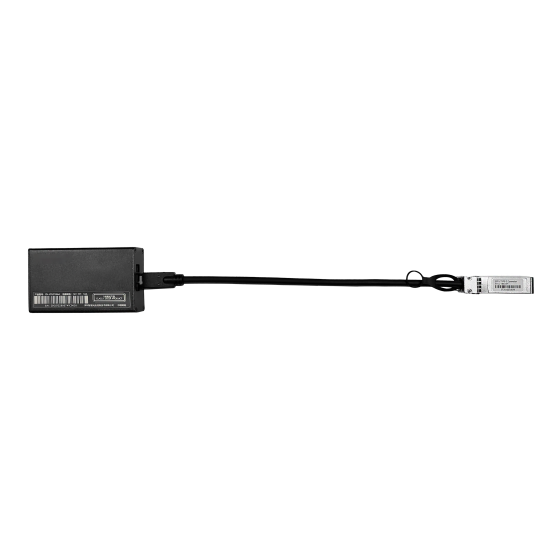
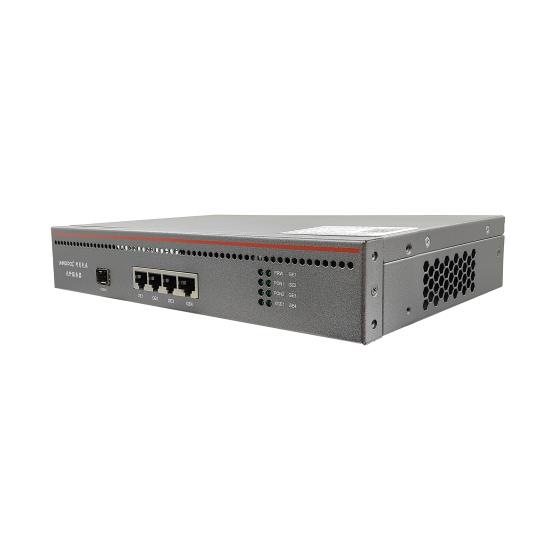
The good news: challenge #5 is increasingly solvable with a different equipment architecture. A pluggable, modular vOLT decouples the PON domain from the switching domain — you plug a standard SFP/SFP+ OLT module into any commercial Ethernet switch, buy exactly the ports you need, and avoid proprietary lock-in. With a standards-based OMCI stack, it stays compatible with 95%+ of mainstream HGU ONUs, so you source CPE from the most cost-effective supplier.
AINOPOL's ZH-VOLT series — the world's first pluggable modular OLT — is built exactly for this:
- ZH-VOLT16 — GPON module, 16 ONUs, SFP package, ≤2.5W
- ZH-VOLT32 — GPON module, 32 ONUs, SFP package, ≤2.5W
- ZH-VOLT64 — GPON module, 64 ONUs, SFP package, ≤2.5W
- ZH-VOLTXG64 — XG-PON module, 64 ONUs, SFP+ package, ≤5W
Per-port scaling means you deploy one module today and add more as subscribers come online — keeping capital free for the parts of the build you can't avoid (fiber, labor, permits).
The Bottom Line
Challenges 1–4 are largely external — you can't single-handedly fix fiber prices, the labor shortage, or permitting. But challenge #5 is within your control. Choosing a modular, open, pay-as-you-grow OLT architecture is one of the few levers a regional ISP can pull to protect margins in a hostile cost environment. In 2026, the ISPs that win won't be the ones with the deepest pockets — they'll be the ones that build lean.
Sources: Fiber Broadband Association "2025 Fiber Deployment Report"; Fibre Network Council APAC / FijiGlobalNews; ATCON & NCC (Nigeria) FTTH forum; c-fol / Lightwave (R&M); LinkedIn industry commentary (German FTTH execution). Figures on vendor equipment are illustrative; ZTE/Huawei/VSOL/Antek references are vendor case studies and should be read as industry solution examples, not independent benchmarks.
Contact Us
Planning a FTTH build and want a second look at your equipment strategy? Send us your target subscriber count and service area — we'll return a free modular-vOLT equipment plan and cost comparison within 2 business days:
- Email: zhenghui.xu@sczhgx.com
- WhatsApp: +86 17612849559