How Regional ISPs Can Deploy 1000 FTTH Users with a Compact OLT Solution
Key takeaways: Your first 1,000 FTTH subscribers don't need a carrier-grade chassis. With GPON at 1:64 split, 16 ZH-VOLT64 modules on a standard switch cover 1,024 users for roughly $1,000–$2,900 — 60–80% less than a traditional 16-port OLT, with pay-as-you-grow scaling and no vendor lock-in.
Why Compact OLT Is the Right Starting Point
Most regional ISPs don't start with 100,000 subscribers — they start with a town, a neighborhood, a business park. For these "first 1,000" builds, a full carrier-grade OLT chassis is overkill: it ties up capital in idle ports, demands rack space and cooling, and locks you into a vendor's ecosystem. The industry has a clear answer for this segment — lightweight, compact OLT deployment. As one major vendor's solution brief puts it, ISPs are shifting from "leasing" networks to "self-building," and what they need is "low-cost investment, high-efficiency delivery, and intelligent O&M," not massive chassis.
The Port Math: 1,000 Users, 1:64 Split
With GPON at a 1:64 split ratio, each PON port can serve up to 64 subscribers. To cover 1,000 FTTH users with healthy headroom, you need:
- 1,000 ÷ 64 ≈ 16 PON ports (15.6 rounded up, plus a little buffer for growth)
- That's 16 OLT ports feeding 16 passive splitters (each 1:64), distributed across your ODN
- Total reach: PON supports up to ~20 km ODN distance, plenty for a regional footprint
If you prefer a 1:32 split for higher per-user bandwidth headroom, you'd need about 32 ports — but for most residential GPON rollouts, 1:64 is the sweet spot of cost and capacity.
A Compact Equipment List for 1,000 Users
Here's a lean, modular bill of materials that avoids any proprietary chassis:
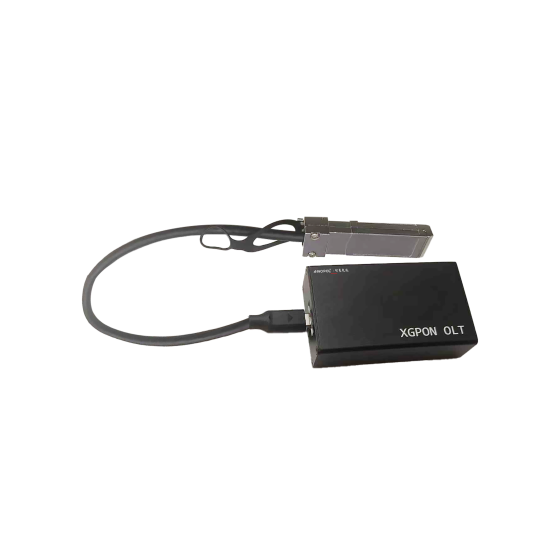
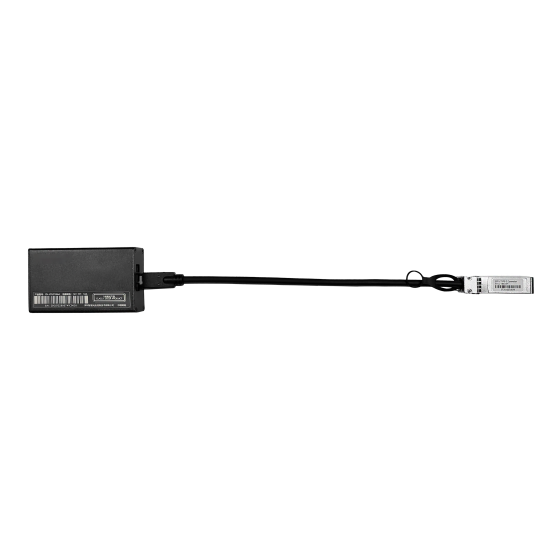
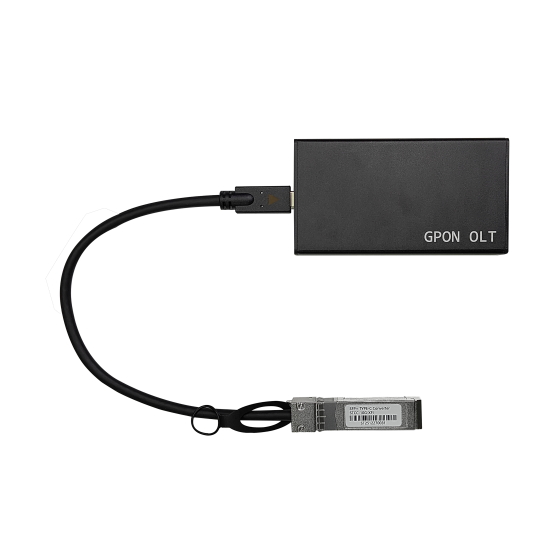
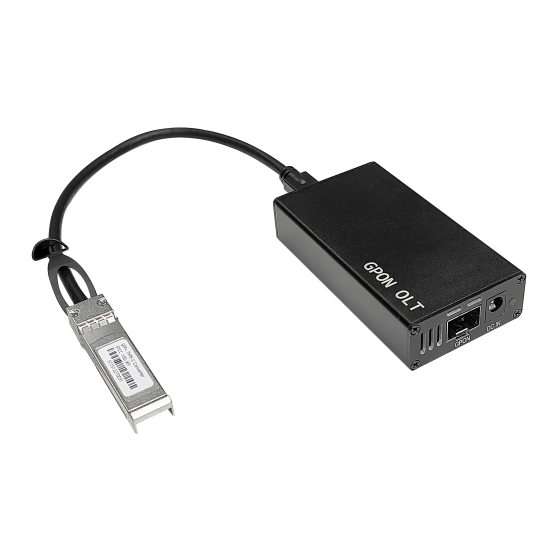
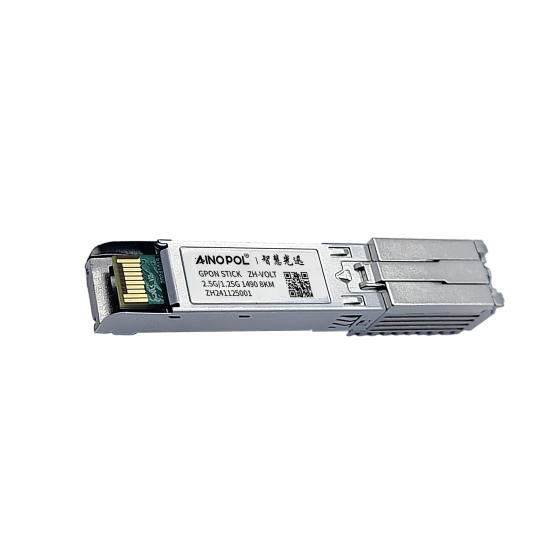
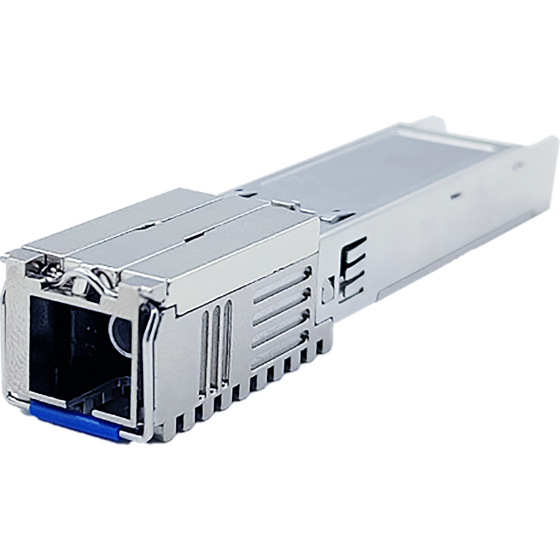
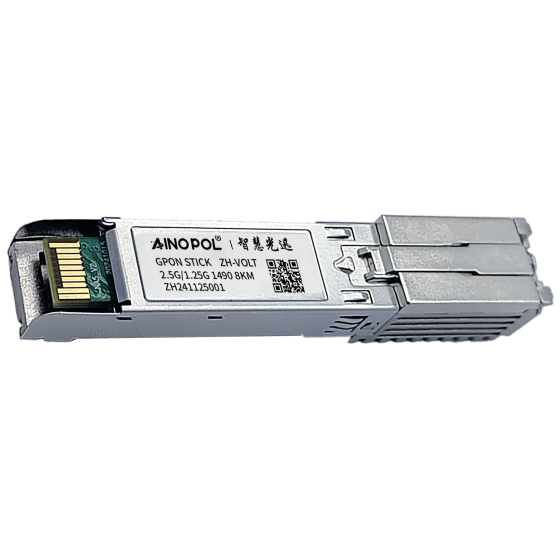
- 16 × ZH-VOLT64 — GPON pluggable modules, 64 ONUs each (SFP, ≤2.5W). 16 modules cover 1,024 subscribers.
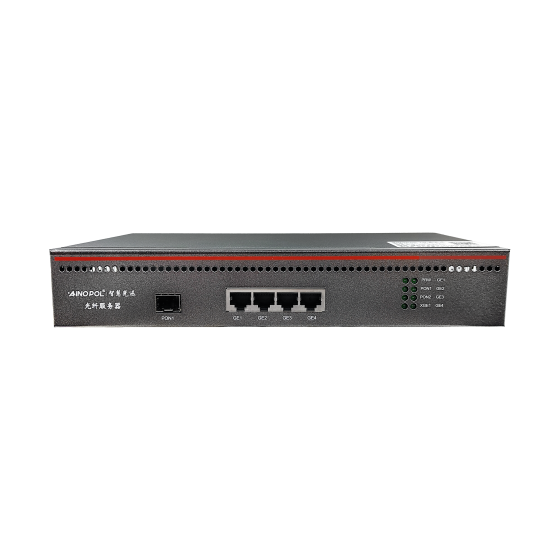
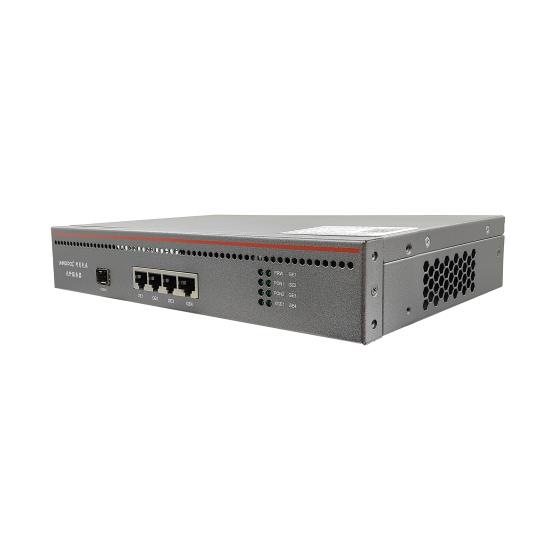
- 1 × Standard 24–48 port Ethernet switch with SFP uplinks — acts as the host/PON aggregation, no proprietary fabric needed
- 16 × 1:64 passive splitters — distributed in cabinets/closures across the ODN
- Drop fiber, ONTs, and enclosures — sourced from any compatible vendor (95%+ ONU compatibility)
- EAAS cloud management — zero-touch provisioning and remote O&M, no dedicated NMS server
Notice what's missing: no chassis, no dedicated rack, no vendor-locked ONUs. You plug the vOLT modules into a switch you can buy competitively on the open market.
Cost Comparison: Traditional Chassis vs. Compact vOLT
Based on typical market pricing for small ISP deployments:
- Traditional approach: 1 × 16-port GPON OLT chassis — roughly $3,000–$8,000+, plus rack/power/cooling OPEX, plus forced branded ONUs
- Compact vOLT approach: 16 × ZH-VOLT64 modules ($50–$150 each) + 1 × 24–48 port switch ($200–$500) = approximately $1,000–$2,900
- Savings on active equipment: 60–80%
And because the modular approach is ONU-agnostic (95%+ compatibility), you can also save 30–50% on customer-premises equipment by sourcing the most cost-effective ONUs. The freed capital can go straight into the parts of the build you can't avoid — fiber, labor, and permits (which together are 80%+ of total project cost).
A Deployment That Scales With You
The biggest advantage isn't just the lower upfront cost — it's the pay-as-you-grow model. You don't buy 16 ports on day one if you're only connecting 200 subscribers this quarter. Start with 4–5 ZH-VOLT64 modules, light up the first cluster, and add modules to open SFP slots as demand arrives. Compare that to a chassis: once you've bought it, the unused ports are sunk cost.
This aligns perfectly with how regional ISPs actually build — phase by phase, neighborhood by neighborhood — and keeps cash flow healthy during the ROI ramp.
Real-World Precedents
The compact-OLT model is already proven at scale. Major vendors document lightweight OLT deployments where equipment volume is reduced by over 80% versus traditional models, PON port power is cut by ~27% versus EU efficiency standards, and new-service activation drops from 48 hours to minutes via zero-touch provisioning. A Latin-American ISP case study used a 16-port GPON OLT supporting up to 2,048 users for a community FTTH + CATV rollout. The architecture pattern — small, distributed, ONU-agnostic — is exactly what modular vOLT delivers in pluggable form.
(Note: the above vendor examples are industry solution references, not independent benchmarks — but they confirm the architectural direction.)
The Bottom Line
Your first 1,000 FTTH users are the hardest — they set your cost base and your reputation. A compact, modular OLT approach lets you launch lean, scale per-port, and avoid the vendor lock-in that quietly drains margins for years. For a regional ISP, that's not just a technical choice; it's a business-model choice.
Sources: ZTE "Light FTTx Deployment" solution brief; VSOL compact OLT deployment guide; Antek Optic Latin-America ISP case study; Huawei MA5800-X2 compact OLT specs; AINOPOL ZH-VOLT product documentation. Vendor figures are solution references, not independent benchmarks. Equipment price ranges reflect typical small-ISP market levels.
Contact Us
Planning your first 1,000-subscriber FTTH build? Send us your split ratio and coverage area — we'll return a free deployment plan, port math, and side-by-side cost comparison within 2 business days:
- Email: zhenghui.xu@sczhgx.com
- WhatsApp: +86 17612849559