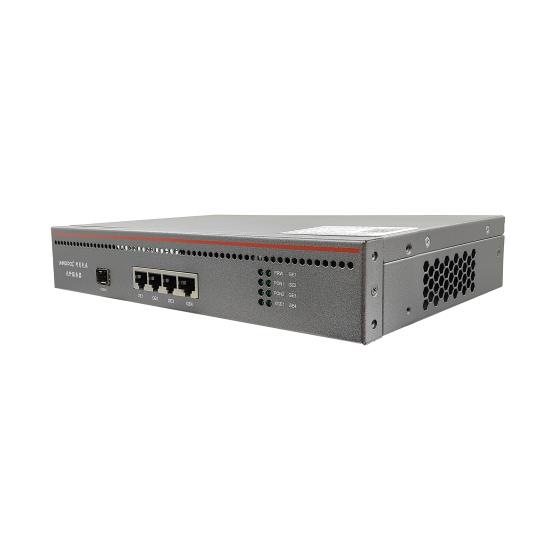
XGS-PON Migration Assessment: Planning from Existing GPON to Higher-Speed PON
Key Takeaways: Moving from GPON to XGS-PON is more than replacing an OLT. The migration should evaluate service demand, the existing ODN, wavelength planning, optical power budget, ONU compatibility, operations, and acceptance requirements. Specific rates, wavelength ranges, optical classes, and link limits must be verified against the applicable standard, equipment datasheet, and field tests.
Why Evaluate an XGS-PON Migration?
As peak-hour concurrency, cloud applications, video services, or campus traffic grow, an existing PON network may need an expansion or evolution path. XGS-PON can be one option, but its suitability depends on subscriber distribution, service model, port utilization, existing fiber infrastructure, and budget.
- First determine whether the actual constraint is PON port capacity, the uplink, the service template, or resource allocation.
- Separate a new XGS-PON build from a multi-generation PON evolution over an existing ODN.
- Validate compatibility, optical budget, and acceptance criteria during design rather than after activation.
Five Areas to Check Before Migration
1. Service Demand and Concurrency
Estimate demand from busy-hour concurrency, service plans, enterprise requirements, uplink capacity, and the expansion roadmap. PON is a shared access system: a nominal access rate for one user is not the same as the rate all users can receive simultaneously, and it does not replace uplink and Internet egress calculations.
2. ODN Structure and Split Architecture
Trace the actual path through feeder fiber, distribution frames, splitters, closures, drop fiber, and connectors. When reusing an ODN, verify that splitters, connectors, patch cords, and wavelength-division components support the target design. Recalculate the farthest and highest-loss paths.
3. Wavelength Planning and Coexistence
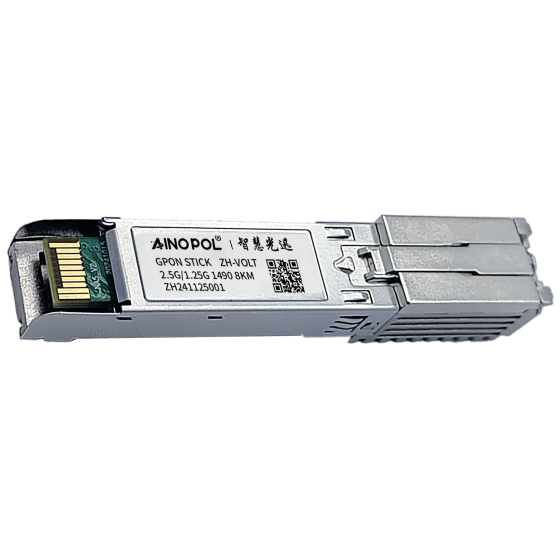
As common nominal operating windows, GPON typically uses about 1490 nm downstream and 1310 nm upstream, while XG-PON and XGS-PON commonly use about 1577 nm downstream and 1270 nm upstream. Actual ranges, tolerances, filtering requirements, and optical classes must follow the applicable standards and equipment datasheets.
GPON coexistence with XG-PON or XGS-PON on one ODN requires coordinated OLT capability, ONU types, wavelength-division or coexistence components, optical budget, and management configuration. Devices from different vendors or hardware versions are not automatically interoperable; complete interoperability and service testing before deployment.
4. OLT, ONU, and Management
Confirm that the target OLT supports the required PON mode, authentication, line and service profiles, VLAN functions, alarms, and remote operations. Existing ONUs cannot be judged compatible only by their external interface. Check the device list, software versions, authentication method, and interoperability test results.
5. Optical Power Budget and Engineering Margin
Use the following simplified formula for a preliminary calculation:
Total link loss = fiber loss + splitter insertion loss + connector loss + splice loss + other component loss + engineering margin
Compare the total with the usable optical budget of the selected OLT and ONU modules, considering both downstream and upstream directions. Receiver sensitivity, overload point, transmit power, maximum splitter loss, and engineering margin must come from the actual specifications rather than a generic value.
Evolution Options from GPON to XGS-PON
| Option | Planning idea | Key validation |
|---|---|---|
| New XGS-PON build | Deploy a dedicated higher-capacity access system for a new area or service. | ODN path, optical class, ONU selection, uplink, and operations. |
| GPON and XGS-PON coexistence | Keep part of the existing GPON base during a phased migration. | Coexistence components, wavelength isolation, budget, authentication, and interoperability. |
| Phased migration | Migrate by area, service, or subscriber group. | Change window, rollback, configuration backup, and field resources. |
A Practical Migration Workflow
- Inventory the network: Record OLT ports, ONU models, split levels, route lengths, subscribers, service profiles, and uplink capacity.
- Define the target: Set the migration scope, subscriber batches, service levels, and acceptance indicators.
- Calculate the budget: Calculate upstream and downstream loss on the farthest and highest-loss paths and reserve the required margin.
- Test interoperability: Verify registration, authentication, VLAN, bandwidth profiles, alarms, remote management, and rollback.
- Run a pilot: Select representative splitters, distances, and subscriber types and record measured results.
- Migrate in phases: Keep port mappings, configuration backups, and rollback procedures for each change window.
- Complete acceptance: Record optical power meter, OTDR, and service test results.
What to Record During Acceptance
- OLT port, ONU serial number or authentication identifier, and actual subscriber mapping.
- Upstream and downstream optical power, test instrument, test wavelength, time, and conditions.
- Splitter, connector, splice, and coexistence component models and locations.
- Registration state, alarms, VLAN and service profiles, bandwidth, and connectivity results.
- Exceptions, corrective actions, retest results, and the final rollback or approval decision.
AinOPOL Products for PON Evolution
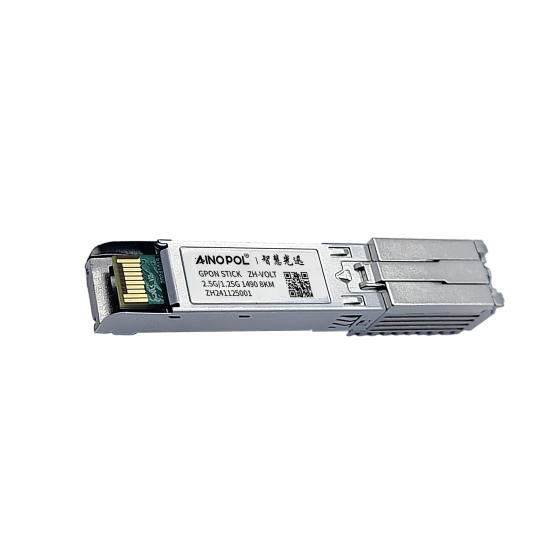
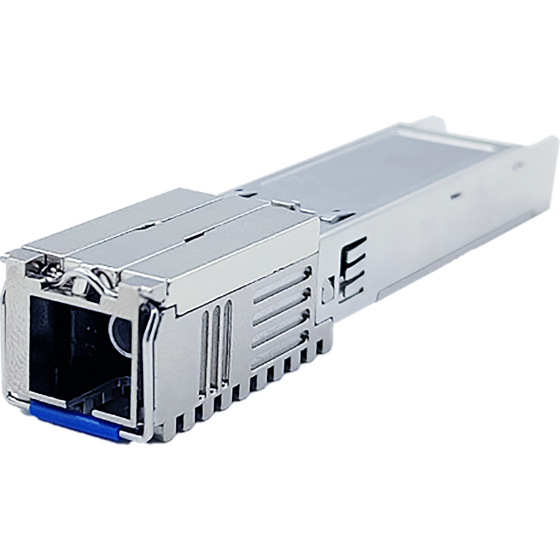
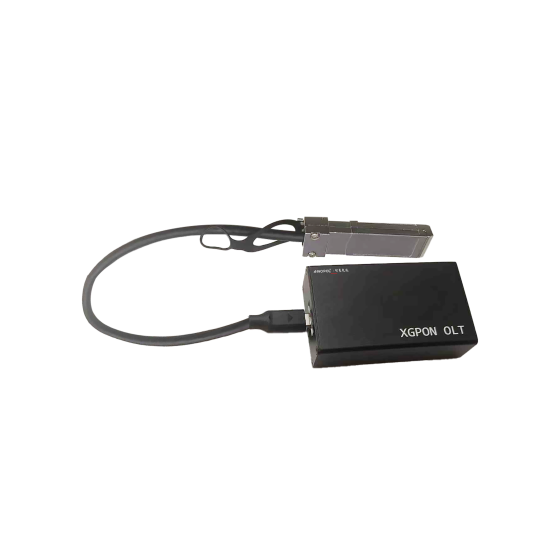
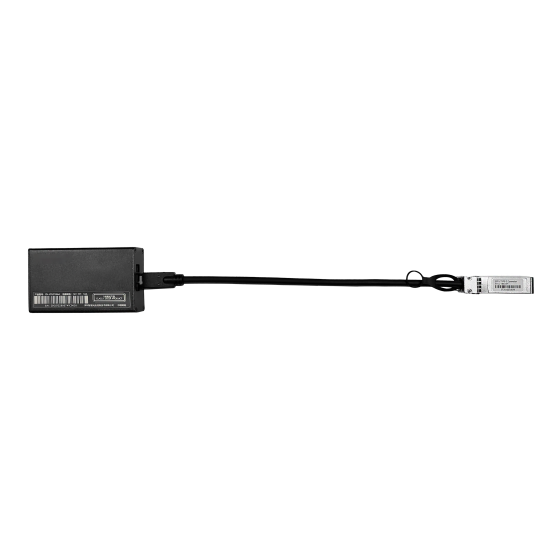
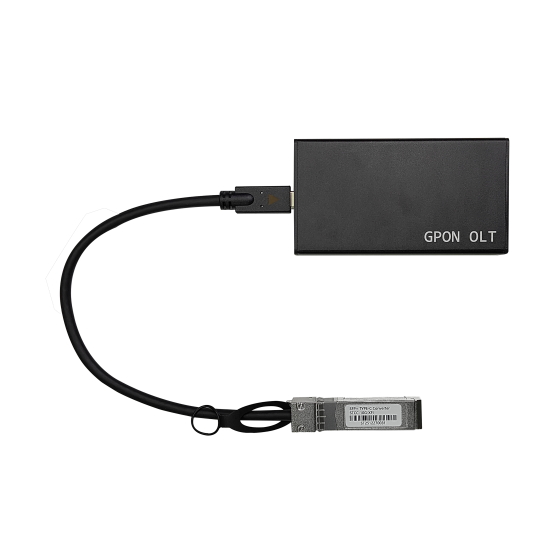
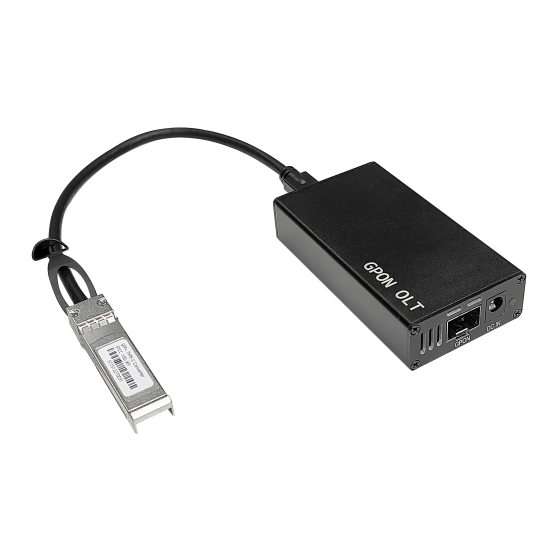
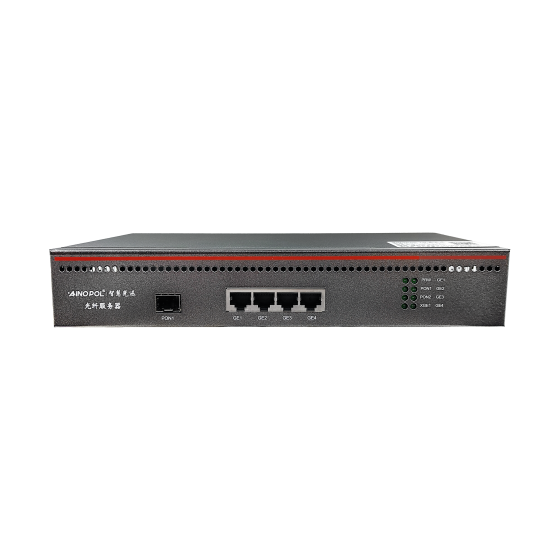
AinOPOL offers GPON vOLT and XG-PON OLT products for access-network construction, expansion, and evolution assessment. Whether a product fits a particular XGS-PON or multi-generation PON project must be verified against the actual product specifications, PON mode, ONU compatibility, and project test results.
- XG-PON OLT ZH-VOLTXG64: for XG-PON access and upgrade assessment.
- GPON vOLT ZH-vOLT64: for higher port-density GPON access scenarios.
- GPON vOLT ZH-vOLT32: for medium-scale GPON access deployments.
During selection, also check optical class, target split ratio, ODN component parameters, uplink design, and operations-platform requirements.
Contact AinOPOL
For GPON, XG-PON, or XGS-PON network planning, equipment selection, and migration validation, contact AinOPOL:
- Email: zhenghui.xu@sczhgx.com
- WhatsApp: +86 17612849559
- Store: shop.sczhgx.com
This article is for network planning and solution assessment only. It does not replace applicable standards, equipment datasheets, operator specifications, or field acceptance. All rate, wavelength, loss, sensitivity, overload, compatibility, and distance indicators must be verified against the actual model and measured results.