FTTH vs Wireless & Copper: How Small ISPs Choose the Right Last-Mile Technology
Key takeaways: Fiber wins on speed, symmetry, latency, and lifespan — but costs more to start. Fixed wireless wins on deployment speed and rural reach. Copper is a fading bridge. For most small ISPs the answer is a fiber core with wireless on the edge — and modular vOLT has made the "fiber is too expensive to start" excuse obsolete.
Three Technologies, One Decision
Every small ISP faces the same question before signing the first customer: what carries the last mile — fiber, fixed wireless, or legacy copper? Get it wrong and you either strand capital in a network nobody upgrades to, or build fiber in a market too sparse to pay it back. Get it right and the network pays for itself while leaving room to grow.
Speed, Latency, and Upload: The Numbers
Advertised speeds hide the real differences. Independent measurements tell a clearer story:
- Fiber (FTTH/GPON): 600–950 Mbps download, symmetric upload, 1–5 ms latency.
- 5G fixed wireless (mid-band): 150–400 Mbps download, 15–40 Mbps upload, 25–60 ms latency.
- Copper/DSL: ~24 Mbps download, 10–40 ms latency, and performance that falls off with distance from the cabinet.
Latency is what makes a connection feel fast — the difference between seamless video calls and frozen screens. Upload symmetry matters more every year as remote work, cloud backup, and content creation grow.
The Real Cost Story: CapEx, OPEX, and Lifespan
- Fiber: $600–$1,200 per home passed in dense areas (higher in rural), 25–30 year lifespan, under 0.5% annual fault rate, and roughly $53 per home per year in OPEX.
- Fixed wireless: $50–$200 per subscriber in CPE, one tower serving 1,000 homes — but radio hardware needs a 3–5 year refresh cycle.
- Copper: cheap to keep running today, but 3–5% annual fault rate and a looming network switch-off.
The trap is the "cheap start." FTTC (fiber to the cabinet) saves money up front, but upgrading it to FTTH later costs $1,150–$1,850 per home — more than building FTTH from day one. A five-year, 1,000-subscriber comparison tells the same story: copper starts at $380K against fiber's $1.2M, yet fiber nets $2.8M in value versus copper's $1.1M, with 8% churn against copper's 22%.
When Fiber Wins — and When It Doesn't
Fiber wins in dense urban and suburban areas, business districts, and anywhere subscribers need symmetric gigabit. Wireless wins in sparse rural areas, temporary deployments, and low-ARPU markets where trenching cannot pay back. Copper is a bridge for legacy customers until they migrate. The decision is a density-and-revenue question, not a technology preference.
The Hybrid Play: Fiber Core + Wireless Edge
Most successful small ISPs don't pick just one. They run fiber as the backbone and backhaul, and use wireless to reach addresses fiber cannot justify yet. Fiber-fed towers give you fiber-grade backhaul with wireless last-mile reach — and the fiber keeps earning as you densify and convert wireless customers to fiber over time.
Why Modular vOLT Lowers the Barrier to Fiber
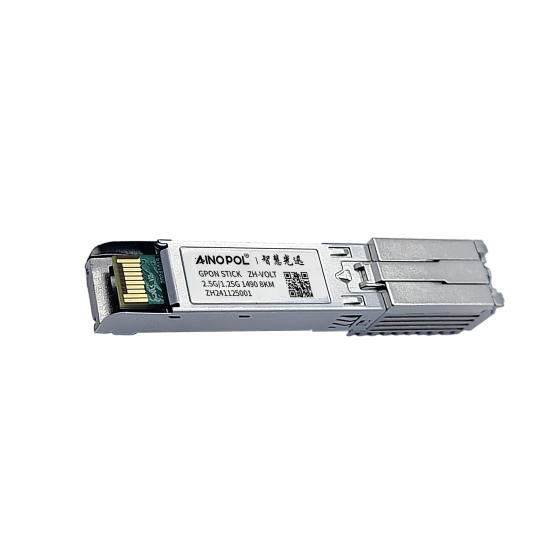
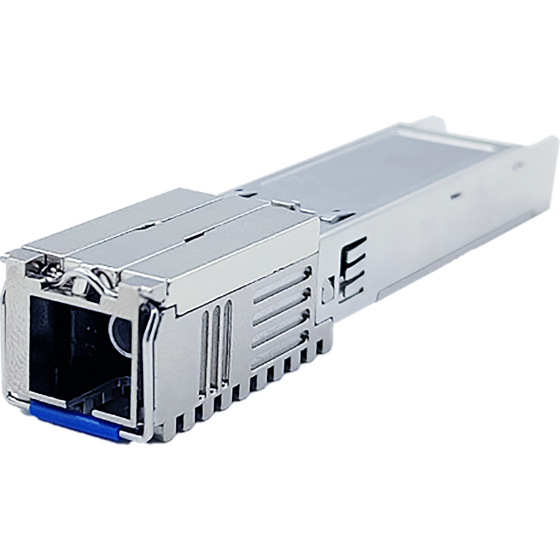
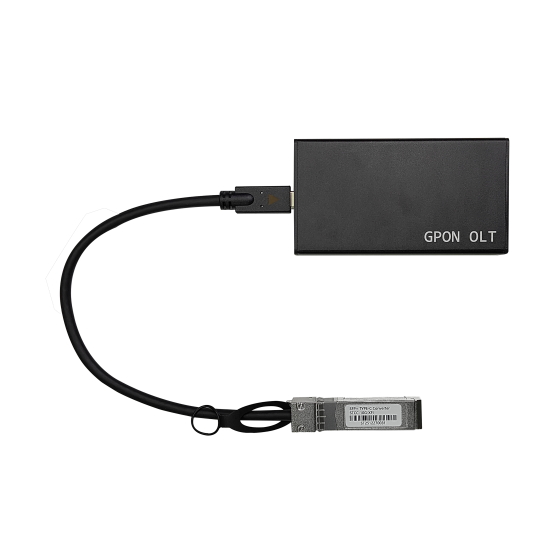
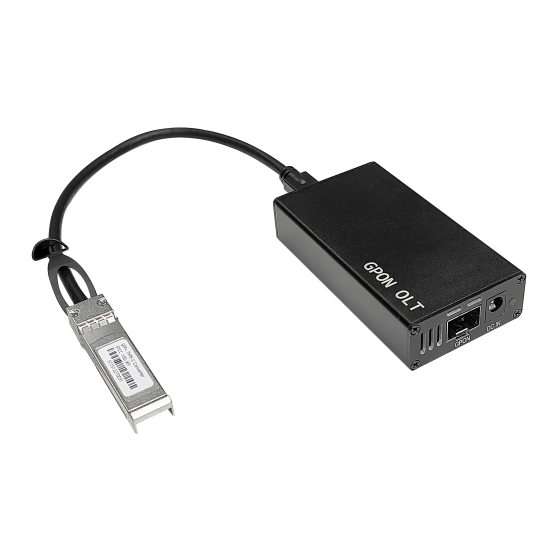
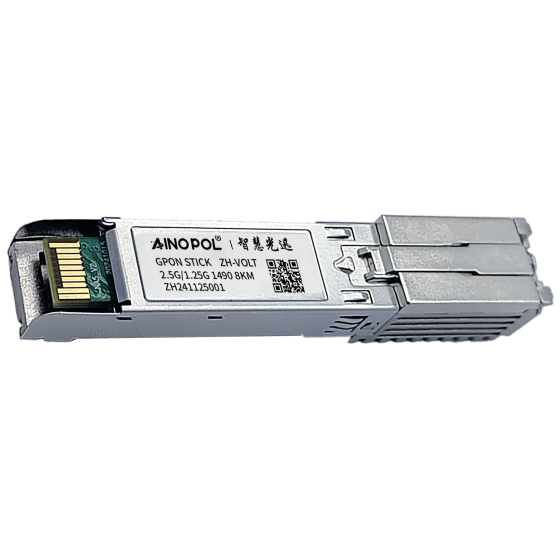
The old objection to fiber was "I can't afford an OLT before I have subscribers." Modular vOLT removes it. A pluggable vOLT module turns a standard SFP port on a switch you already own into a full GPON port — so you buy one module for your first 16, 32, or 64 subscribers and add more as you grow. No chassis, no idle ports, no six-figure commitment. It is managed through the host switch using standard OMCI, so there is no new proprietary platform to learn.
The ZH-VOLT Lineup
Pick by density and technology:
- ZH-VOLT16 — GPON, 16 ONUs, SFP, ≤2.5W
- ZH-VOLT32 — GPON, 32 ONUs, SFP, ≤2.5W
- ZH-VOLT64 — GPON, 64 ONUs, SFP, ≤2.5W
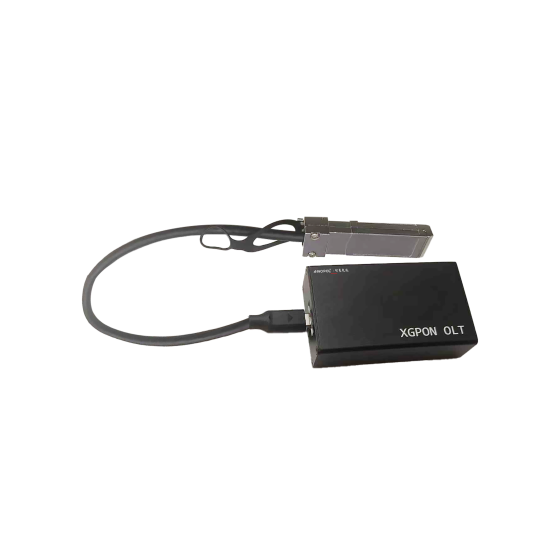
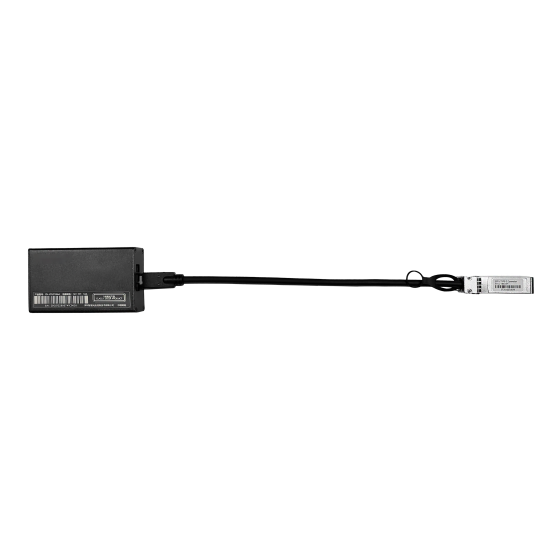
- ZH-VOLTXG64 — XG-PON, 64 ONUs (10G), SFP+, ≤5W
The Bottom Line
Last-mile technology is a business decision, not a speed test. Fiber is the long-term asset; wireless is the fast, flexible reach; copper is the past. The smart play is a fiber core you can start small — and modular vOLT is exactly how a small ISP starts that fiber core without betting the company.
Sources: Speed, latency, and upload figures from Ookla Speedtest, Opensignal, and FCC Measuring Broadband America (median, cross-technology). FTTH OPEX (~$53/home/year, fiber ~60% lower than VDSL) from the Fibre Broadband Association. Five-year TCO and churn figures from an STL Technologies copper-to-fibre whitepaper. FTTC-to-FTTH upgrade costs from Hengtong Optic-Electric. Rural FWA economics from industry blogs, cited as reference rather than independent benchmarks.
Contact Us
Deciding between fiber and wireless for your next build, or starting a fiber core on a tight budget? Send us your subscriber target and area type — we'll return a free technology recommendation and BOM within 2 business days:
- Email: zhenghui.xu@sczhgx.com
- WhatsApp: +86 17612849559