Why FTTH Projects Fall Behind Schedule: The Hidden Causes of Fiber Rollout Delays
Key takeaways: FTTH projects rarely slip because of bad intentions — they slip because plans assume perfect conditions. The real culprits are the global fiber shortage, slow permits and wayleaves, the disconnect between office planning and field reality, one-way communication, and schedules with no buffer. Smart ISPs treat delays as part of the operating model, not as surprises.
The Boom Is Real — But So Is the Bottleneck
Fiber demand has never been higher. AI data centers, government broadband programs, and normal FTTH builds are all pulling on the same supply of glass. The result is a market where delays and price swings have become the norm, not the exception.
Hidden Cause #1: The Global Fiber Shortage
Since mid-2025, the fiber optic cable market has been in a structural price rally. Three demand waves are colliding against a supply base that cannot scale quickly:
- AI data centers consume fiber at historic rates. An AI-optimized hyperscale facility uses 5–10× more fiber than a conventional cloud site, and a single GPU cluster needs roughly 36× the fiber interconnects of the CPU racks it replaces. Global data-center fiber demand grew 75.9% year-on-year in 2025.
- Broadband programs are entering peak construction. The US BEAD program (a $42.45 billion investment) moves into its heaviest build years in 2026–2027, with about 63% of eligible locations connected by fiber.
- A new, structural consumer appeared. Fiber-guided drones and specialty applications are absorbing bend-insensitive fiber grades that FTTH drop cable depends on.
The practical impact is stark: FTTH drop-cable fiber (G.657A2) rose roughly 90% in price, standard feeder fiber (G.652D) rose 45–70%, and lead times for standard loose-tube cable stretched to as long as 52 weeks — against a normal 8–12 weeks.
Hidden Cause #2: Order Cancellations and Price Resets
Multiple small and mid-size ISPs with broadband grants have had fiber orders cancelled — sometimes months after placement — with no warning. When they renegotiated, replacement quotes came back 70–80% higher than the original order. Budgets built on 2023–2024 price floors no longer hold, and a single cancelled order can wipe out a project's viability overnight.
Hidden Cause #3: Permits, Wayleaves, and Right-of-Way Friction
Even with cable in hand, rollout stalls on paperwork. Municipal approvals move slower than planned, wayleaves (agreements to cross private land) take time, and access to multi-dwelling buildings requires property-owner consent. Each of these looks minor in the meeting room — on site, they compound into weeks of delay.
Hidden Cause #4: The Gap Between Office and Field
The deepest cause of slippage is rarely technical. Plans built in the office assume ideal conditions: permits on schedule, ground as expected, weather cooperating. The field never behaves that way. When a plan has no operational buffer, one delayed permit triggers a chain reaction — excavation slips, installation slips, documentation slips, handover slips, and the commercial timeline moves with it.
Hidden Cause #5: One-Way Communication
In too many projects, communication flows only downward. Site crews — the people digging — usually see problems first: access issues, poor soil, municipal resistance. When those early warnings are treated as noise instead of intelligence, small problems get buried until they explode into emergency decisions. A delayed truth is always more expensive than an early one.
How Smart ISPs Build a Delay-Resistant Rollout
- Build buffers into the timeline. Assume permits take longer, ground conditions vary, and weather disrupts. Buffers don't slow projects — they protect them.
- Listen to the field. Create a structure where crews report bad news upward, early and honestly. Silence is more dangerous than friction.
- Lock in supply early. Order cable and passive components before construction starts, and keep a second source in mind.
- Start small and modular. Don't tie the whole project to a single large OLT chassis that must be sourced and sized perfectly up front.
Why Modular vOLT Reduces Delay Risk
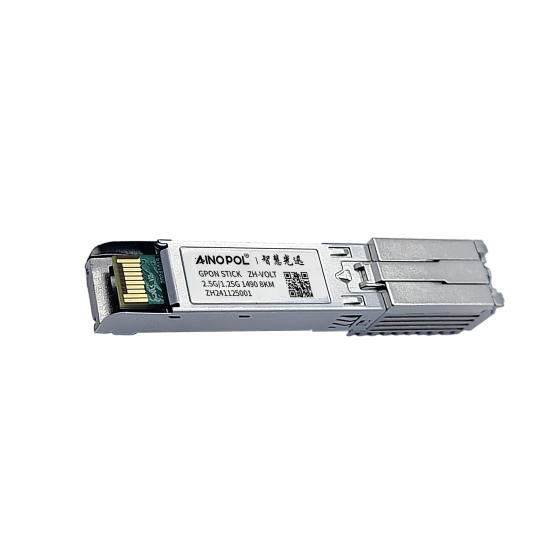
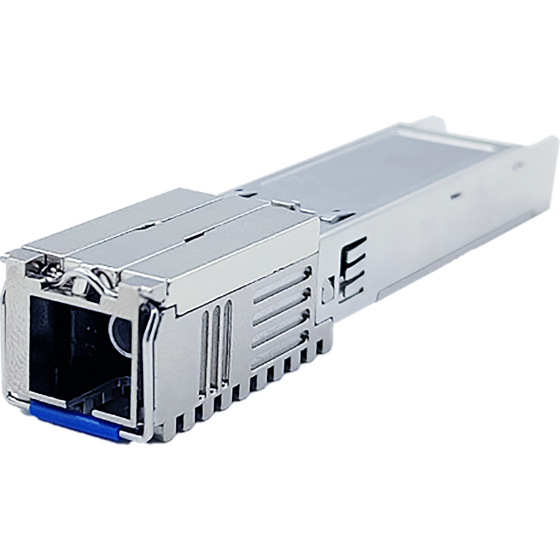
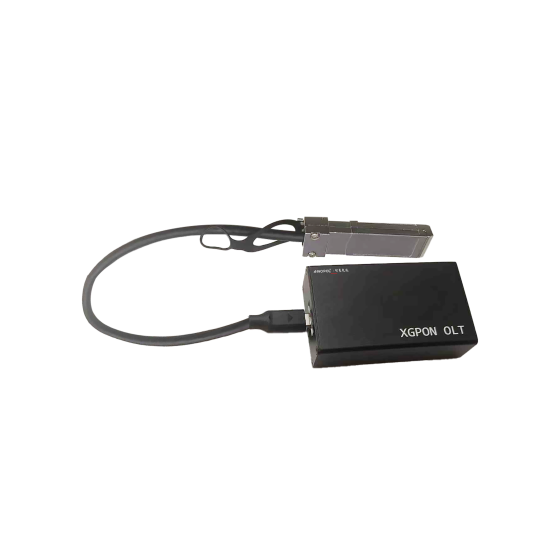
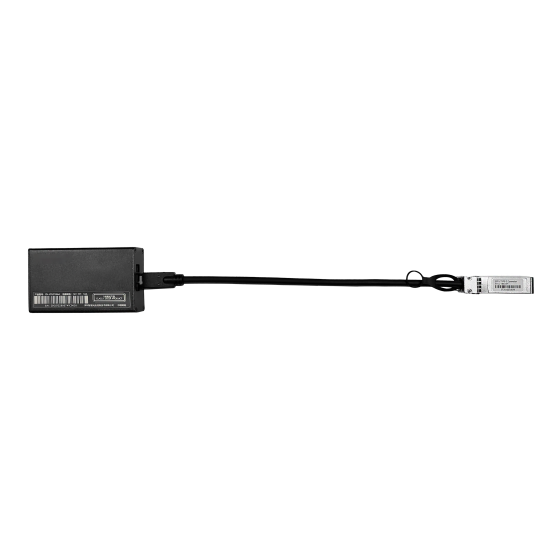
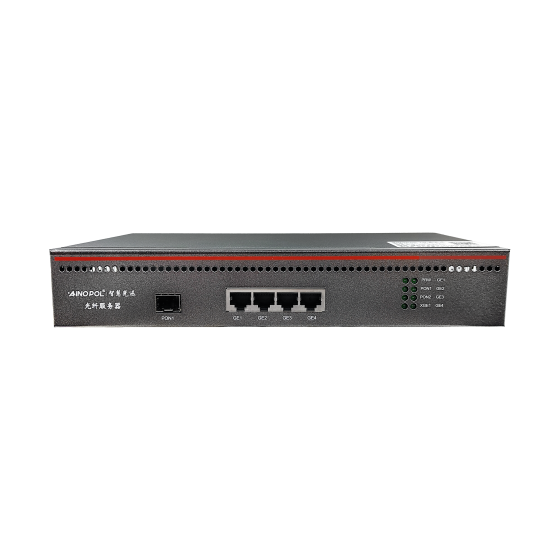
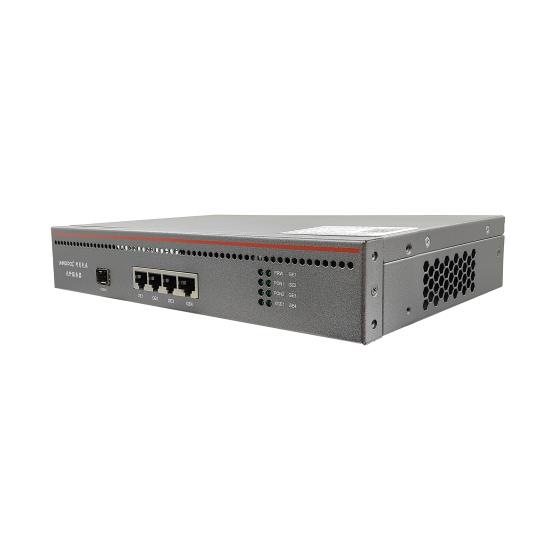
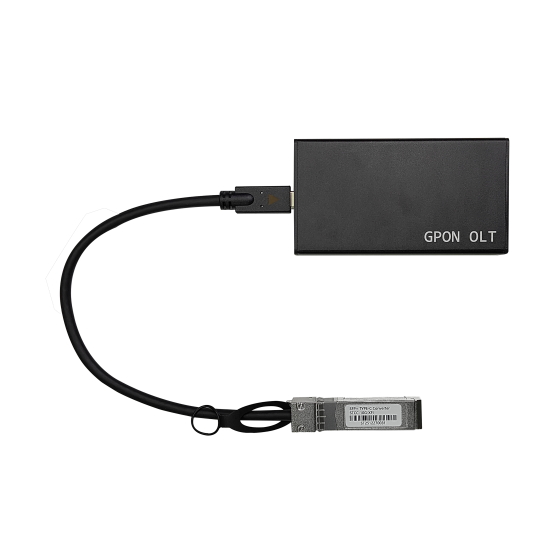
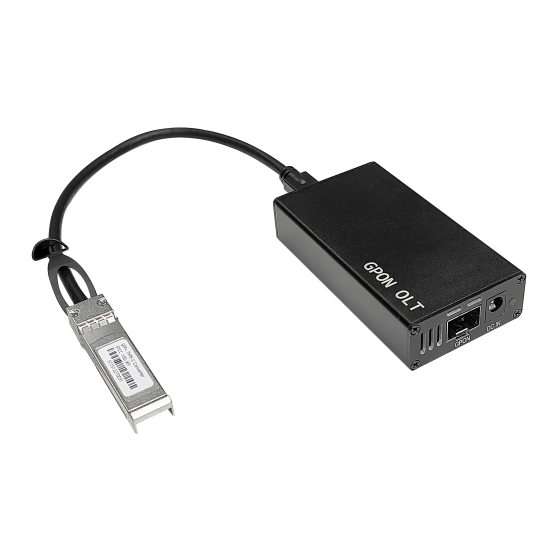
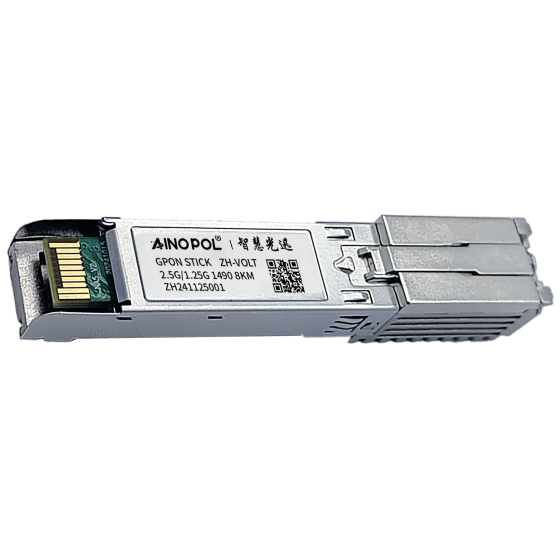
Much of FTTH slippage comes from over-committing to equipment before you know your real pace. A modular vOLT changes that. Pluggable modules turn standard SFP/SFP+ ports on a switch you already own into full GPON or XG-PON ports — so you order exactly what you need for the subscribers you can actually connect this quarter, and add more as construction catches up. No chassis procurement, no idle ports, no long-lead custom hardware. It is managed through the host switch using standard OMCI.
The ZH-VOLT Lineup
- ZH-VOLT16 — GPON, 16 ONUs, SFP, ≤2.5W
- ZH-VOLT32 — GPON, 32 ONUs, SFP, ≤2.5W
- ZH-VOLT64 — GPON, 64 ONUs, SFP, ≤2.5W
- ZH-VOLTXG64 — XG-PON, 64 ONUs (10G), SFP+, ≤5W
The Bottom Line
Deadlines don't fail on paper — they fail in the gap between plans and reality. The strongest ISPs don't manage projects only through reports; they build buffers, listen to the field, lock supply early, and keep equipment flexible. That last part is where modular vOLT earns its keep: it lets you match equipment to actual construction pace instead of betting on a perfect schedule.
Sources: Fiber price movements, lead times, and data-center fiber demand figures from CRU Group and 2026 supply-chain analysis (Glory Optical, Light Reading interviews). BEAD program scope from FCC/US NTIA filings. Permit and wayleave friction from Openreach field guidance. Office-vs-field execution gap from Dela Networks FTTH delivery analysis. Figures cited as industry reference; verify current quotes before procurement.
Contact Us
Planning a FTTH build and worried about schedule risk? Send us your target subscriber count and area type — we'll return a free equipment strategy that keeps you flexible as construction progresses:
- Email: zhenghui.xu@sczhgx.com
- WhatsApp: +86 17612849559